REVIEW · CUSCO
From Cuzco: Sacred Valley, Moray Terraces, and Salt Mines
Book on GetYourGuide →Operated by MPTC GETS · Bookable on GetYourGuide
Moray and Maras look like science fiction in Peru. On this Cusco day trip, you’ll see Inca agriculture meet salt-mining tradition, with real time to stop, look, and ask questions from a bilingual guide. It’s a practical way to pack two of the Sacred Valley’s most talked-about sites into one outing.
I especially love how Moray’s circular terraces work as a visual lesson: different floor levels helped the Incas experiment with growing conditions. I also like that you don’t just pass by Maras—you get guided time there too, plus photo stops. One watch-out: this is an active route, and the tickets and entrance fees are paid separately, so your final cost can creep up.
In This Review
- Key things to know before you go
- A Cusco route built around Moray and Maras
- Moray terraces: the Inca idea you’ll want to explain to friends
- Maras salt mines: what it means to see salt being made
- Chinchero, Ollantaytambo, and Pisac in the full Sacred Valley option
- Chinchero: royal hacienda walls and Inca craftsmanship
- Moray and the salt mines: the engineering-to-labor connection
- Urubamba lunch: the option where food is part of the plan
- Ollantaytambo: a town built to protect the valley entrance
- Pisac: platforms and buildings scattered across slopes
- Photo stops, guide time, and why the day can feel tiring
- Price and value: what $25 really buys you in the Sacred Valley
- What to bring so the day feels easy, not annoying
- Who should book this tour, and who should skip it
- Should you book From Cusco: Sacred Valley, Moray Terraces, and Salt Mines?
- FAQ
- How long is the tour?
- What time does pickup happen?
- What’s included in the price?
- Are Moray and Maras entrance fees included?
- Is lunch included?
- What languages does the guide speak?
- What should I bring, and what’s not allowed?
Key things to know before you go
- Moray is an engineering story you can see: circular terraces with multiple levels designed to support agriculture.
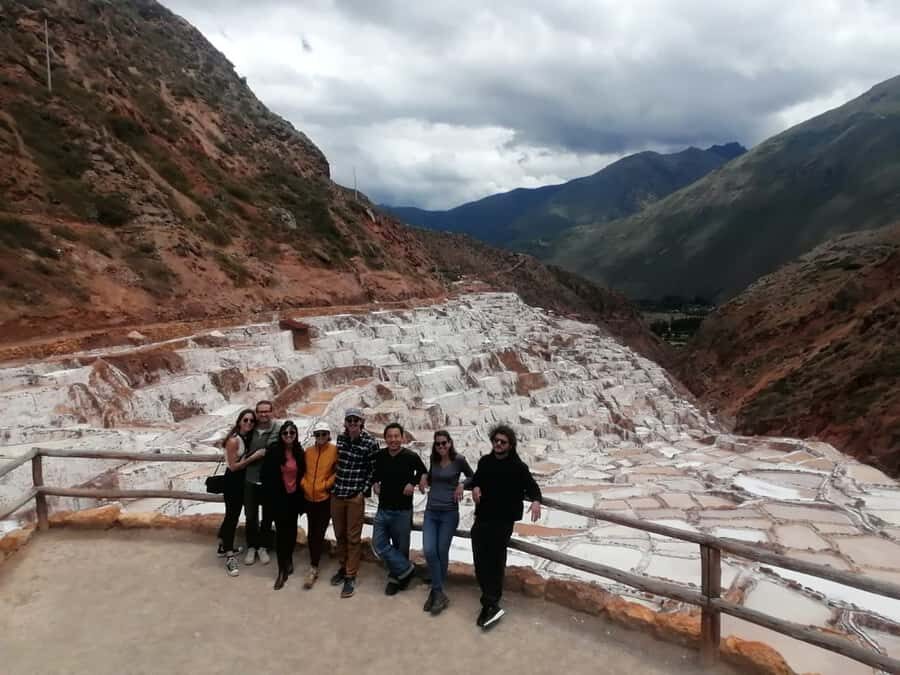
- Maras salt mines are a working landscape of wells: you’ll learn how the salt-mining tradition connects to the town.
- You can choose your day length: from a shorter Moray + Maras plan to a full Sacred Valley circuit.
- Lunch inclusion depends on the option: the all-day Sacred Valley version includes lunch in Urubamba.
- Expect real walking on uneven ground: comfortable shoes matter more than you think.
A Cusco route built around Moray and Maras
This is one of those Cusco excursions that feels efficient without being rushed—because the main hits are close enough together to make sense in a single day. Most departures start with hotel pickup and shared transport, then head into the Urubamba Valley.
You’ll have three ways to run your day. In the shorter version, you focus on Moray and Maras, with guided time and built-in photo breaks. In the all-day version, you expand into Chinchero, Ollantaytambo, and Pisac—so you get more Inca-era context and a fuller Sacred Valley sweep. There’s also a flexible option where you go through the same Urubamba Valley sites but can ask for photo stops along the way.
If you want one tight win from this tour, it’s the pairing: Moray shows Inca problem-solving for farming; Maras shows resource extraction tied to a community.
You can also read our reviews of more tours and experiences in Cusco.

Moray terraces: the Inca idea you’ll want to explain to friends
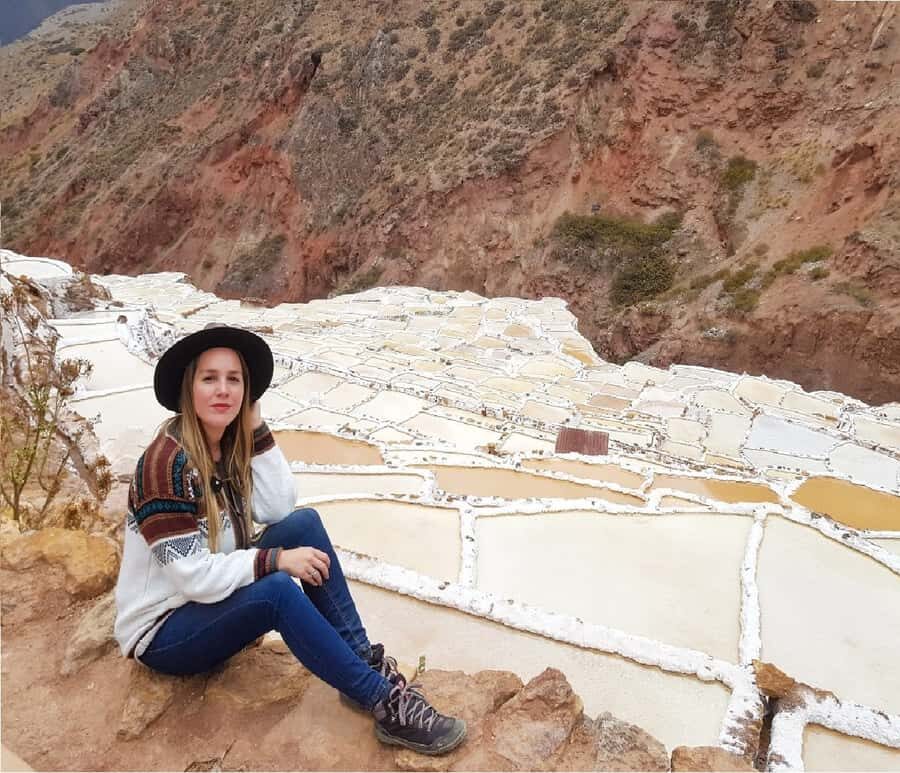
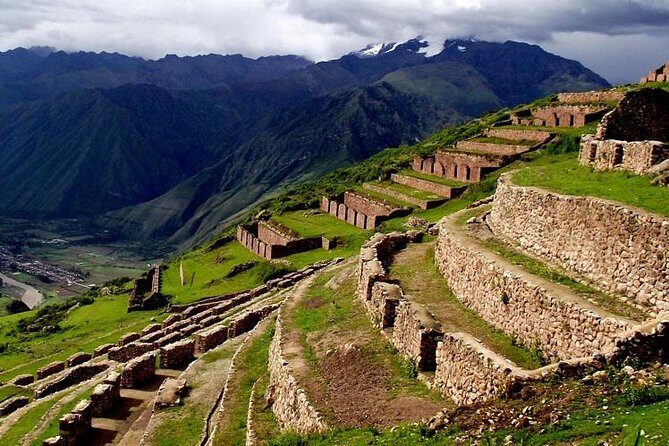
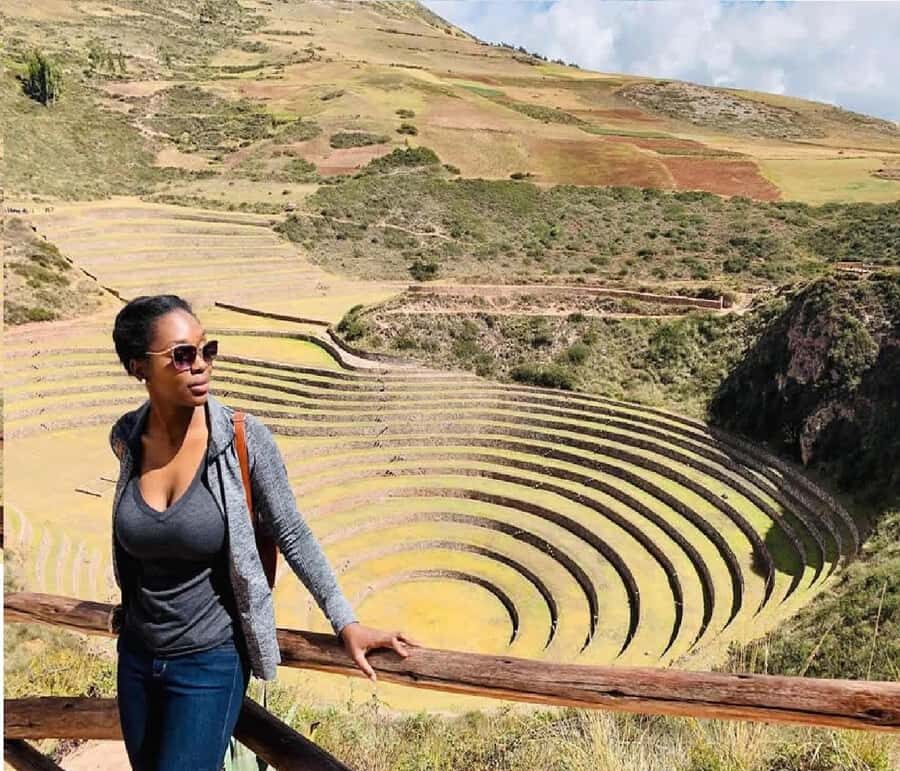
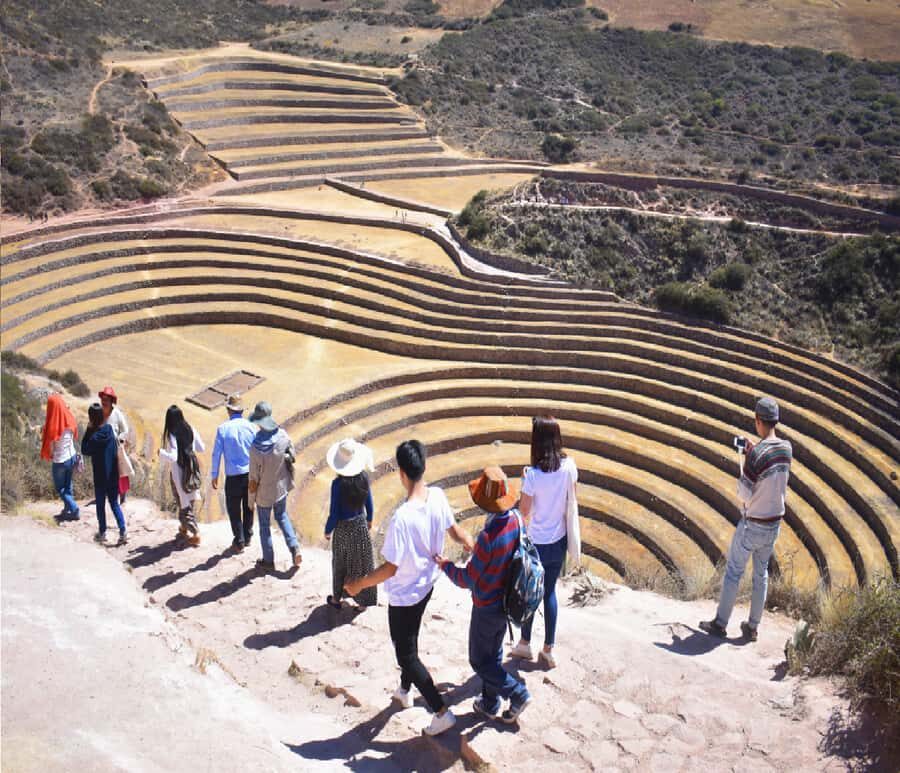
Moray is the kind of place where you immediately understand why people call it strange and brilliant. The terraces are circular, and they’re built with floors at different heights—an ingenious setup intended to allow growing different Andean products under varying conditions.
On the ground, the structure reads like a giant agricultural diagram. You’ll get a guided walkthrough, plus time to look around and take photos. There’s also a photo stop built into the schedule, and in the Moray + Maras style route, you’ll have a solid block of guided time followed by a more relaxed moment.
Important practical detail: Moray requires a ticket. The Moray entrance is listed as a BTC tourist ticket costing 70 PEN (and it’s specifically called out as not included). Bring cash or plan for the ticket purchase before you go in, so you don’t lose time at the gate.
If you’re the type who likes your history hands-on, Moray delivers. It’s not just ruins; it’s a working concept in stone.
Maras salt mines: what it means to see salt being made
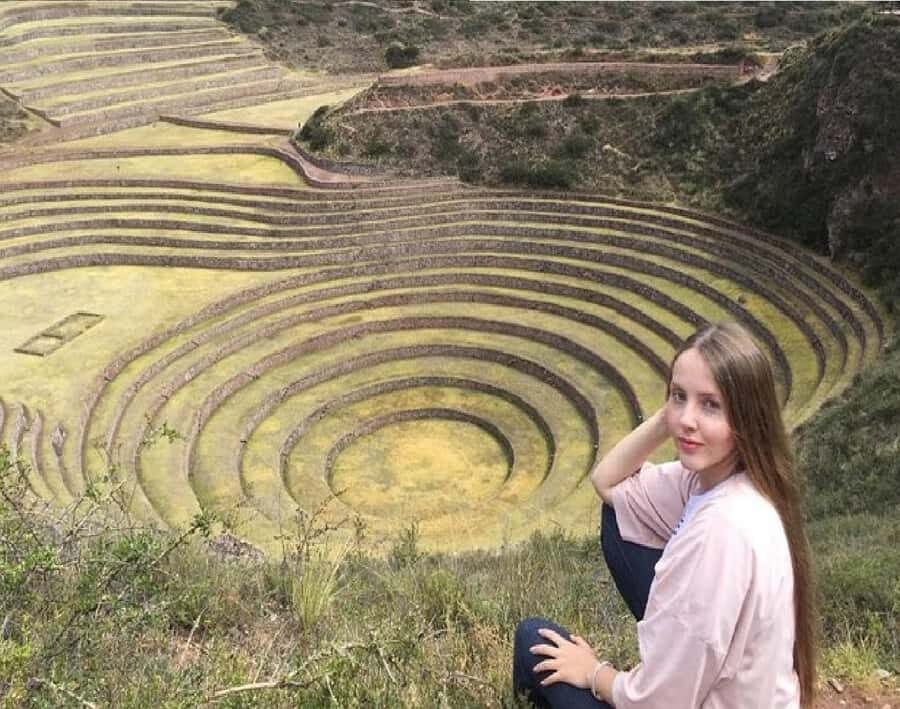
After Moray, the tour continues to Maras. The salt mines here are made up of multiple wells where salt is harvested—a practice the Inca world helped shape, but that also continues in modern form.
You’ll have guided time in Maras (including a visit and a focused tour segment), plus another photo stop. The timing is set up so you’re not just rushing from one overlook to another. You’ll have enough time to understand what you’re looking at: rows of small salt pans/wells that catch the light differently as the day moves.
Like Moray, Maras has a separate entrance fee. The info you’ll see can vary: one section lists 20 soles, while another section lists 10 PEN for the entrance to the Maras salt mines. Either way, it’s worth assuming you’ll pay on arrival, and having some cash ready.
This is also where the tour becomes more than architecture. Seeing a working resource site while learning the background gives you a different kind of satisfaction than just viewing a monument.
Chinchero, Ollantaytambo, and Pisac in the full Sacred Valley option
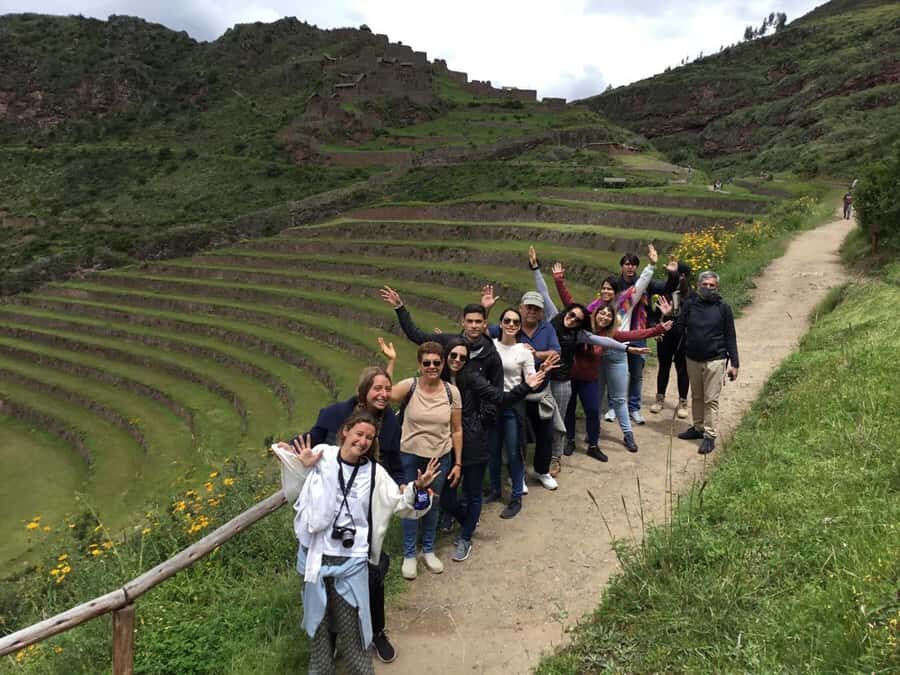
If you choose the all-day Sacred Valley route, the order matters because each stop adds a new layer.
Chinchero: royal hacienda walls and Inca craftsmanship
You’ll start in Chinchero, where you can see remains connected to the royal hacienda of Túpac Inca Yupanqui. A highlight is the well-preserved Inca wall in the main square. This stop is helpful because it grounds the day in real Inca building details before you move into the larger, more famous sites.


Moray and the salt mines: the engineering-to-labor connection
Then the route brings you back to the core combo: Moray for agricultural design, and Maras for salt mining. Together, these two stops create a strong theme: how people used the environment—both for growing food and for producing salt.
Urubamba lunch: the option where food is part of the plan
In the full-day version only, lunch in Urubamba is included, with more than 30 varieties of typical dishes. That matters because it saves you time and planning. It also lets you eat locally after hours of walking and looking.
Ollantaytambo: a town built to protect the valley entrance
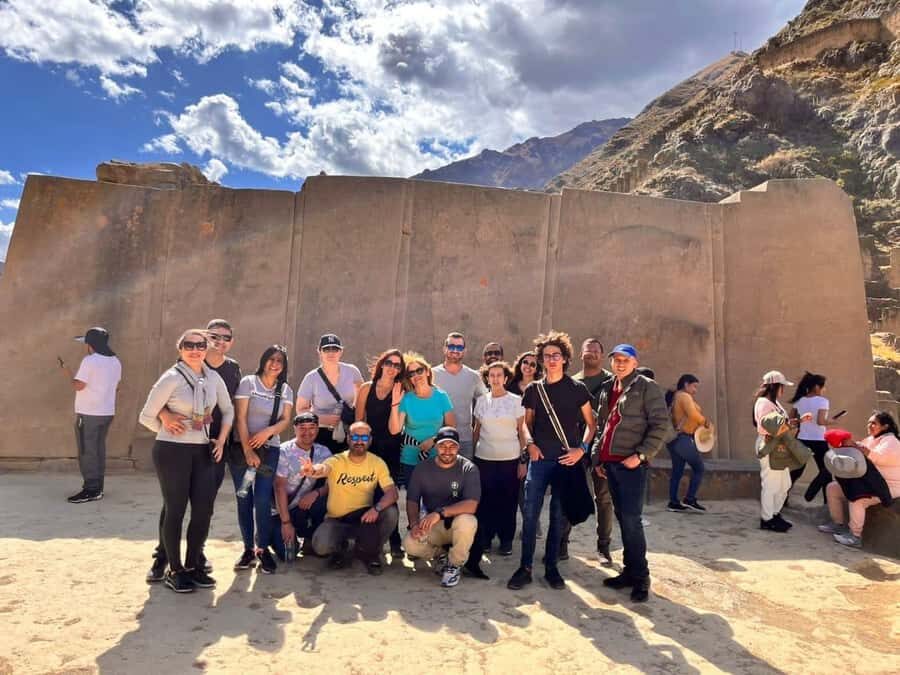
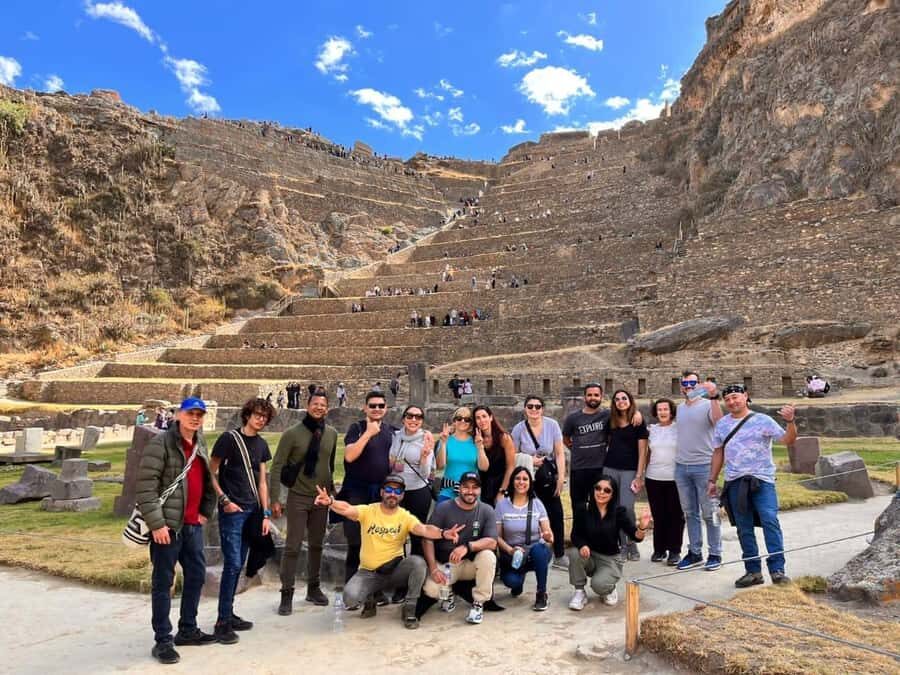
Next comes Ollantaytambo, built to guard the entrance to this part of the valley and help protect it from possible invasions by jungle inhabitants. You’ll have time to walk through small streets, which helps you picture it as a military, religious, and cultural center during the Inca Empire—rather than just a set of stones.
Pisac: platforms and buildings scattered across slopes
Finally, you’ll reach Pisac, described as a monumental center made up of groups of platforms and architectural structures on slopes and on higher ground. The big takeaway here is how the buildings are arranged with the terrain, creating a whole composition of viewpoints and stonework.
This longer option is ideal if you want a full day that feels like a guided “Inca Valley primer,” not just a quick highlight sprint.
Photo stops, guide time, and why the day can feel tiring
This tour is scheduled for 6 to 12 hours depending on your chosen option. Even the shorter version includes multiple stops, guided segments, and time outdoors, so comfort matters.
You’ll spend time walking on uneven ground around archaeological areas and in town areas. If you’re even mildly prone to leg fatigue, wear supportive shoes and plan for a slow start. Breathable clothing also helps, since you’ll be moving through the Peruvian Andes region.
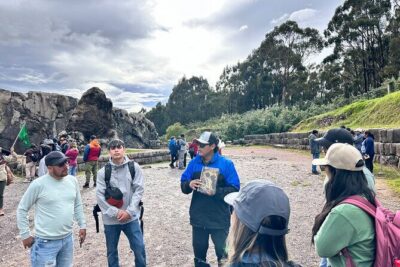
One more practical point: the guide is bilingual (English and Spanish), but if you’re in a mixed-language group, you might find the tour explanations shift depending on who’s around. If you know a bit of Spanish, it can make the guided portion feel even smoother. If not, the bilingual setup should still keep you comfortable.
Lastly, keep your expectations realistic about transport. Shared transportation means you’re riding with others, so your “door-to-door” time depends on pickup timing and drop-off routes.
Price and value: what $25 really buys you in the Sacred Valley
At about $25 per person, the base price is focused on the parts that are hardest to DIY: hotel pickup, round-trip shared transport, and a professional bilingual guide. For many people, that’s the real value—especially if you want explanations that turn ruins and ruins-adjacent sites into something you understand.
But the key is that entrance tickets are not included. You’ll need to budget separately for:
- Moray: BTC tourist ticket listed as 70 PEN
- Maras salt mines: entrance listed as 10 PEN in one section and 20 soles in another
Food and drinks are also not included in general. If you pick the all-day Sacred Valley option, lunch in Urubamba is included there, which can offset some of that extra spending.
So here’s the “value math” I’d use: if you want just Moray + Maras, you’re paying primarily for guide + transport and learning. If you’re doing the full Sacred Valley circuit, you’re getting more sites and (in that all-day version) a included meal. Either way, bring cash for tickets/entrance fees so the day stays smooth.
What to bring so the day feels easy, not annoying
This tour is mostly outdoors with archaeological steps and uneven paths, so pack for comfort, not just photos. Here’s what’s directly recommended:
- Passport or ID card
- Comfortable shoes
- Breathable clothing
- Cash
Also, note what’s not allowed: bikes and alcohol and drugs.
If you’re the type who hates “where’s my bag” moments, keep your cash and passport/ID easy to access during ticket purchases. Moray especially has that separate-ticket requirement, and waiting around is avoidable.
Who should book this tour, and who should skip it
This is a good fit if you want:
- A guided look at Moray terraces and Maras salt mines
- Flexible options from half-day to full-day
- Bilingual explanations while you walk and take photos
It’s probably not the best fit if you have mobility limitations, since it isn’t listed as suitable for people with mobility impairments. It also isn’t suitable for people over 95 years.
If you’re short on time in Cusco but want a day that’s more than just one monument, this tour format hits the balance of history, activity, and logistics.
Should you book From Cusco: Sacred Valley, Moray Terraces, and Salt Mines?
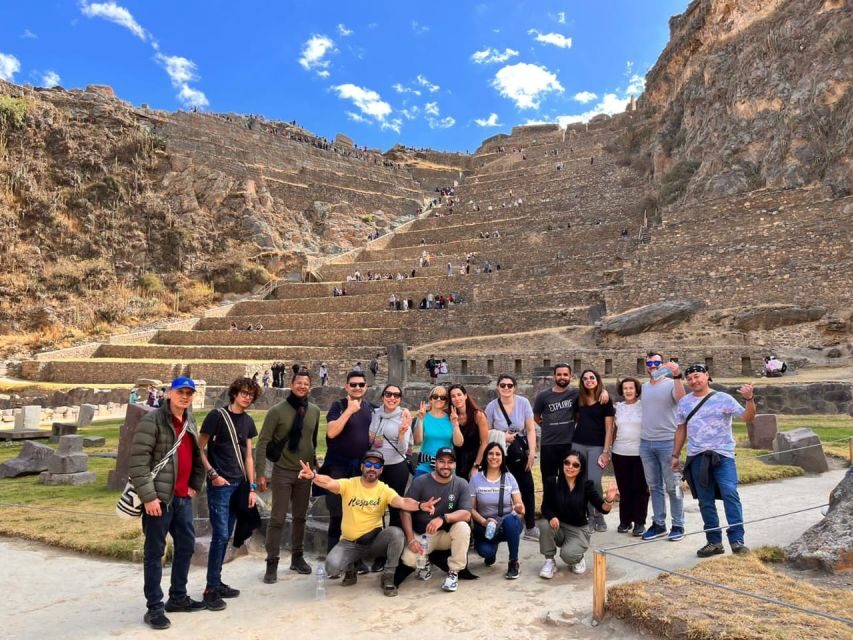
Yes, if you’re trying to see the Sacred Valley’s engineering side—then pair it with a working resource site. Moray gives you the “Inca brain at work” view, and Maras shows how environment and labor connect in a way that still matters.
Book it when you can match the option to your energy:
- Choose the short Moray + Maras plan if you want focused sightseeing without a full-day load.
- Choose the all-day Sacred Valley route if you want Chinchero, Ollantaytambo, and Pisac plus an included Urubamba lunch.
- Choose the flexible option if you like setting your own photo pace while still having a guide.
Just budget for the separate entrance fees, wear good shoes, and you’ll get a day that feels worth the effort.
FAQ
How long is the tour?
The duration is listed as 6 to 12 hours, depending on the option you choose.
What time does pickup happen?
Pickup is included and typically starts between 7:30 and 8:00 AM for the tour in general. The all-day Sacred Valley version starts earlier, with pickup between 6:35 and 6:55 AM.
What’s included in the price?
Included are hotel pickup, round-trip shared transportation, and a professional bilingual guide.
Are Moray and Maras entrance fees included?
No. The Moray ticket (BTC tourist ticket) is not included and is listed as 70 PEN. The Maras salt mines entrance is also not included, listed as 10 PEN in one place and 20 soles in another.
Is lunch included?
Lunch is included only for option 2 (the all-day Sacred Valley version), in Urubamba, with more than 30 varieties of typical dishes. Food and drink are not included otherwise.
What languages does the guide speak?
The guide is listed as live and bilingual, with English and Spanish.
What should I bring, and what’s not allowed?
Bring your passport (or ID card), comfortable shoes, breathable clothing, and cash. Bikes, alcohol, and drugs are not allowed.