REVIEW · CUSCO
Cusco to Puno via Andahuaylillas and Raqch’i
Book on Viator →Operated by Esteban Adventure Agencia de Operadora de Turismo. · Bookable on Viator
High Andean sights, tightly scheduled.
This Cusco to Puno day trip connects Raqch’i (Temple of Wiracocha), Andahuaylillas (La Sixtina de los Andes), and the dramatic La Raya Pass in a single long day. I like that the day is built around short, clear stops with a fully narrated route, and I also like that you get a buffet typical lunch plus an English-speaking driver/guide setup. One thing to plan for: the early 6:30am start and the altitude at 4,335 m make timing and packing matter more than usual.
You’ll move by air-conditioned bus with hotel pickup, and the pace is family-friendly as long as you have moderate fitness. The stops are short (often under an hour), so this is a good match if you want big scenery and key cultural highlights without a multi-day hike. Just be aware of a practical wrinkle: the “included” list says all entrance fees and free drinks, but the stop notes list entrance rights as not included—so confirm what you pay on the day.
In This Review
- Key points that make this trip worth your time
- Price and Logistics: what you’re really paying for
- The 7:00am departure: how the bus day works
- Raqch’i (Templo del dios Wiracocha): colcas, stone-and-adobe, and quick viewing
- Andahuaylillas’ San Pedro Apóstol: La Sixtina de los Andes in a strict photo window
- La Raya Pass at 4,335 m: Chimboya views and your altitude game plan
- Pukara’s Museo Litico: zoo-morphic figures and the HATUNÑAQAC sculpture
- Buffet lunch and the comfort details that affect the whole day
- Who this Cusco-to-Puno route suits best
- Should you book this one? My take
- FAQ
- FAQ
- What time does the pickup happen?
- How long is the trip?
- Is lunch included?
- Are vegetarian meals available?
- Are entrance fees included?
- Are drinks included?
- What language is the guide?
- Can I take photos inside Andahuaylillas and Pukara?
- Do I need to bring any document details?
Key points that make this trip worth your time
- Hotel pickup from about 6:20am–6:35am, bus departs at 7:00am: you get a head start
- Small group limit (maximum 10): easier conversation with the guide and less waiting
- Fully narrated, English option: you’re not just looking at ruins, you understand what you’re seeing
- Raqch’i + Andahuaylillas: Inka granaries and the famous chapel murals both in one day
- La Raya Pass photo stop: quick views at 4,335 m, plus altitude tips like coca tea
- No photos in Andahuaylillas and Pukara: plan your camera timing for outside shots
Price and Logistics: what you’re really paying for
The price is $86.93 per person for an approximately 1-day route Cusco to Puno via several cultural stops. On paper, it’s not cheap for a single day, but what you’re buying is a full day of guided interpretation, air-conditioned transportation, and a buffet lunch that keeps you from scrambling for food mid-route.
That said, pay attention to the fine print that’s split in two places. The highlights say all entrance fees are included and drinks are free, while the stop notes list entrance rights as not included for Raqch’i, Andahuaylillas, and Pukara, and the “not included” section lists drinks as not included. My advice: before you go, confirm whether entrance rights and drinks are handled by the operator or if you’ll pay at each site. Bring soles for entrance rights anyway, because the site notes give specific amounts in S/ for each stop.
Timing is another part of the value. You leave early, hit four stops, and still get a structured break for lunch. If you’re trying to save time (and energy) versus DIY buses, this format is often the easier choice.
You can also read our reviews of more tours and experiences in Cusco.
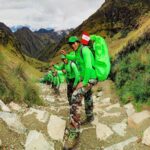
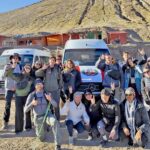
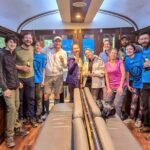
The 7:00am departure: how the bus day works
Pickup runs from 6:20am to 6:35am, and the bus departs at 7:00am. That means you should be ready early, with your camera and jacket already packed where you can reach them. The total schedule is set up for a long day—around 9 hours—with steady travel between stops.
You’ll ride in a tourist-focused air-conditioned bus, and you’ll have both a driver/English guide and a professional guide. The tour is described as fully narrated, which matters on a route like this. Places like Raqch’i and the Pukara culture museum can feel “just stones” unless someone points out why certain structures or figures matter.
Group size is capped at 10 travelers, which makes a difference on short photo windows. At places with rules (like no filming inside certain buildings), smaller groups tend to flow better through the same space.
Also, the tour asks for passport details at booking for all participants. That’s a heads-up: travel documents aren’t optional for this one.
Raqch’i (Templo del dios Wiracocha): colcas, stone-and-adobe, and quick viewing
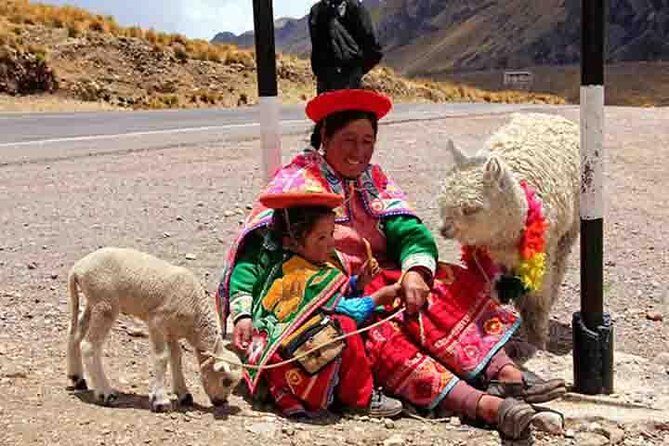
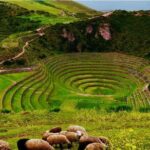
Raqch’i is known as the Templo del dios Wiracocha, tied to the supreme Inka deity Wiracocha. What you’re there for is the scale and layout of the site, especially the colcas (granaries)—the stop description calls out that you’ll find the largest number of colcas here. You’ll also see major stone and adobe architecture, which is a big reason this site feels “real” rather than just a photo backdrop.
The stop time is given as about 40 minutes (with guidance to use hats and sunscreen). That’s short, but it’s enough if you treat it like a guided walkthrough instead of a slow museum visit. I like this design for travelers who want meaning, not just wandering. Listen for what the guide says about the colcas and how the structures relate to the Inka world.
One practical note: the entrance right is listed as S/ 15.00, and the stop note says the admission ticket is not included. So again, don’t assume it’s fully prepaid without confirming. Bring a little cash, or at least be ready to pay that site fee.
If you want your photos to look good, plan for outside angles first. The short time window means you’ll want to know where you’re heading before the group moves on.
Andahuaylillas’ San Pedro Apóstol: La Sixtina de los Andes in a strict photo window
Next is San Pedro Apóstol de Andahuaylillas, a church from the 17th century. It’s nicknamed La Sixtina de los Andes for what’s inside: murals, pan de oro (gold leaf work), and paintings linked to the Cusqueña school. Even if you’re not a “church person,” this is one of those stops that changes how you see colonial-era art in the Andes.
The visit duration is listed as about 25 minutes. That’s tight, but the church rules mean the tour needs to be efficient. There’s also a clear restriction: no filming and no photos inside. This is the one stop where you should switch from camera mode to observation mode.
The entrance right is listed as S/ 15.00, and again the note says admission isn’t included. So you’re likely looking at on-site payments depending on how your specific booking is handled.
What to do with the limited time: study the murals early, and let the guide point out the gold details and the style of the paintings. In this kind of space, your eyes adjust quickly if you focus on one section at a time. The guide’s narration is key here.
La Raya Pass at 4,335 m: Chimboya views and your altitude game plan
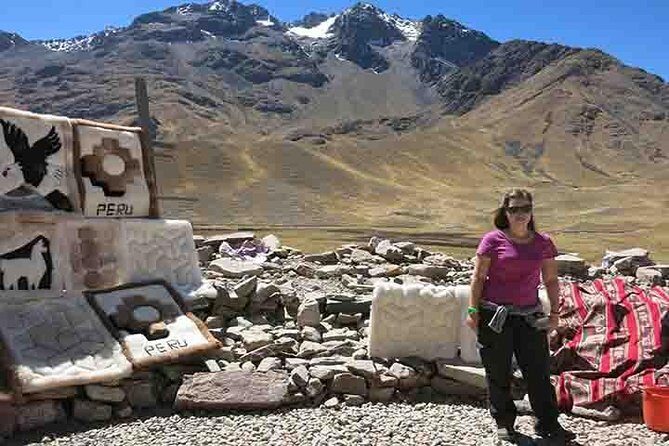
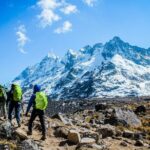
Then comes the high point of the route: La Raya Pass, described as the border between Cusco and Puno and located at more than 4,335 meters. The stop note points out the famous Nevado Chimboya, and it also mentions it as the source area where the Amazonas river originates (at least from a geographic-storytelling point of view).
Your actual viewing window is short: the notes say roughly 7 to 10 minutes, with another detail calling it about 5 to 7 minutes. Either way, it’s fast. This isn’t a long panorama hike; it’s a quick stop to take in altitude views and snap a few shots before the bus moves on.
Altitude advice is explicitly part of the experience. You’re encouraged to wear extra abrigo (warm layers) and to use mate de coca to help counter soroche (altitude sickness). I’m glad they mention this because a lot of first-timers underestimate the cold and the breathing shift at that height.
For your own comfort: keep your jacket accessible, and avoid overthinking it. The cold at elevation can feel sharper than you expect, and a warm hat can make the difference between “I’m fine” and “I’m miserable” in minutes.
Entrance fees are listed as free for this portion, so you’re really just paying with your time and stamina.

Pukara’s Museo Litico: zoo-morphic figures and the HATUNÑAQAC sculpture
In the Puno area, you’ll visit Museo Litico Pukara, tied to the Pukara culture (listed as developing from 1600 BC to 400 AD). The museum is described as about 106 km east of Puno, which helps you understand why it works as a stop on a long transfer day rather than a separate multi-hour detour.
What you’ll see is specific: ceramics and sculptures featuring zoo-morphic figures. The highlight named in the stop info is the HATUNÑAQAC sculpture, which is translated as the supreme degollador (a figure associated with the idea of a supreme slayer/decapitator).
The visit time is about 30 minutes. There’s another rule here: no filming and no photos inside. So once again, you’re dealing with a “look first, document later” kind of stop. This is one reason I like this itinerary: it forces you to actually read the objects with your eyes while the guide gives context.
Entrance right is listed as S/ 10.00, with admission noted as not included. Plan for that cost if you don’t confirm prepaid access.
If you’re traveling with kids, this stop can work because the zoo-morphic shapes tend to catch attention quickly. If you’re traveling solo, it’s a good brain pause after the high-altitude drive, since the museum items are more about form and symbolism than weather and elevation.
Buffet lunch and the comfort details that affect the whole day
This trip includes a buffet typical lunch, plus a fully narrated format so your brain stays engaged during the long travel stretches. There’s also a note that a vegetarian option is available, and you should request it at booking.
One inconsistency to keep in mind: highlights mention free drinks, but the “not included” section says drinks are not included. You’ll avoid stress if you plan as though you may need to buy or bring some of your own refreshments. At minimum, expect the lunch to be handled by the operator, but don’t treat drinks as guaranteed.
The bus is air-conditioned, which is great for comfort, but remember that the outside temperature near La Raya can still surprise you. If you’re relying on what you’re wearing in Cusco, you might feel underdressed later.
The practical win here is that food and guidance are already built into the day. That’s a big deal when you’re going from Cusco to Puno in one shot. Instead of figuring out where to eat and how to catch transport between stops, you’re doing all that thinking up front.
Who this Cusco-to-Puno route suits best
This works well if you want cultural stops and a scenic transit day without spending your vacation doing logistics. It’s described as family friendly, and the short, guided visits can be easier with kids than a long free-form itinerary.
It’s also set for travelers with moderate physical fitness. You don’t need hiking shoes, but you do need to tolerate altitude, cold at La Raya, and walking short distances inside and around the sites.
A small group size (up to 10) makes it easier for the guide to manage timing, especially at the stops where no photos/filming is enforced. If you hate feeling rushed, you might feel the short stop durations at Raqch’i and Andahuaylillas. If you prefer “see the key parts, move on, and understand them,” this format is a strong match.
Should you book this one? My take
If you want a straightforward way to connect Cusco and Puno with meaningful stops—Wiracocha at Raqch’i, murals and gold leaf inside Andahuaylillas, quick altitude views at La Raya, then Pukara culture at the museum—this is a solid value for the time you save.
I’d book it if you like structure, short guided stops, and you’re comfortable with altitude at 4,335 m. I’d think twice if you want unhurried site wandering, since multiple stops are limited to 25–40 minutes and two museums/church interiors ban photos and filming.
Before you confirm, do one smart check: ask whether entrance fees and drinks are fully handled by the operator, since the provided details list them both as included and as not included. Then pack warm layers and a hat, and you’ll be ready for the altitude part of the day.
FAQ
FAQ
What time does the pickup happen?
Pickup is from your hotel between 6:20am and 6:35am, and the bus departs at 7:00am.
How long is the trip?
The tour is listed as approximately 1 day, and the route itself is described as about 9 hours.
Is lunch included?
Yes. A buffet typical lunch is included.
Are vegetarian meals available?
Yes. A vegetarian option is available if you tell the operator at booking.
Are entrance fees included?
The info is inconsistent: the highlights say entrance fees are included, but the stop details list specific entrance rights and say admission ticket is not included. Confirm what you’ll pay for on the day.
Are drinks included?
Again, it’s inconsistent: the highlights say free drinks, but drinks are listed as not included. Confirm with the operator at booking.
What language is the guide?
The tour includes a driver/English guide, and it’s offered in English.
Can I take photos inside Andahuaylillas and Pukara?
No. Filming or photos are not allowed inside Andahuaylillas and not allowed inside Pukara.
Do I need to bring any document details?
Yes. Passport name, number, expiry, and country are required at time of booking for all participants.