Rescued wildlife, guided with real heart. In Cusco, this Cochahuasi sanctuary visit pairs up-close animal time with education, led in English and paced for a small group. It’s also built for comfort: you get hotel pickup and an easy return after about 2 to 3 hours.
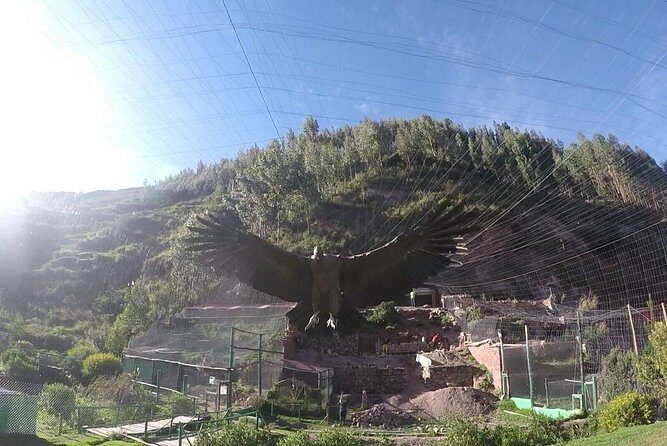
I really like two things here. First, the animal variety is genuinely impressive, from monkeys and macaws to turtles, deer cats, alpacas, foxes, and even condors overhead. Second, the visit has a purpose beyond photos: the sanctuary focuses on rescue, education, and eventually returning some animals to their natural habitats.
One consideration: this experience needs good weather, and if conditions are off it may be rescheduled or refunded. That’s not a deal-breaker, but it does matter if your Cusco days are tightly scheduled.
In This Review
- Key things to know before you go
- A 2–3 hour sanctuary visit from Cusco that feels humane
- Pickup, meeting point, and small-group logistics that keep it easy
- Cochahuasi: the animal mix you’ll actually want to see
- The mission: education, rescue, and returning animals to nature
- A personal guide makes the stories click (and Albert is a standout)
- Feeding and close encounters: fun moments, with the right attitude
- The store: alpaca products that directly support animal care
- Timing and what to do after: a relaxed finish back in town
- Price and value: why $34 makes sense for what you get
- Who should book this sanctuary tour in Cusco
- Quick practical tips to make your day smoother
- Should you book this Cochahuasi Animal Sanctuary tour?
- FAQ
- How long is the Cochahuasi Animal Sanctuary tour?
- Do I get hotel pickup in Cusco?
- What language is the tour offered in?
- What animals can I expect to see?
- Is there a maximum group size?
- What happens if the weather is bad?
Key things to know before you go
- Small group size (max 10): you’re less likely to get rushed.
- Personal guide time: you’ll hear the story behind each animal you see.
- Hotel pickup and drop-off options: less hassle in Cusco.
- Native rescue animals: expect species from the sierra and jungle.
- Food and contact moments may happen: feeding birds/alpacas and even petting a toucan can occur.
- Your shopping helps care: alpaca product sales split support between animals and local communities.
A 2–3 hour sanctuary visit from Cusco that feels humane
This is the kind of outing that doesn’t try to be a show. You’re going to Cochahuasi Animal Sanctuary for a short, focused visit where the goal is education and long-term animal wellbeing, not entertainment.
The drive is usually quick enough that the whole day doesn’t get swallowed. You’re looking at roughly 2 to 3 hours on the clock, which makes it a nice fit between Cusco walking days, museum time, or acclimatizing before a big tour.
The pace matters. A lot of animal encounters in busy places feel like a conveyor belt. Here, you can take your time with a guide who explains what you’re seeing and why it matters.
You can also read our reviews of more tours and experiences in Cusco.
Pickup, meeting point, and small-group logistics that keep it easy
Logistics are refreshingly simple. You’ll either be picked up from your hostel or Airbnb, or you can meet at Selina Cusco Saphi (C. Saphy 601, Cusco 08002). Either way, it’s set up so you don’t have to figure out transport on your own.
This tour runs with a maximum of 10 travelers, which is a big deal in Cusco. Smaller groups generally mean you spend more time listening and watching instead of waiting.
You’ll also get a mobile ticket, and confirmation happens at booking. Plan to arrive a few minutes early, since the pickup is timed and a sanctuary day runs on a schedule.
Cochahuasi: the animal mix you’ll actually want to see
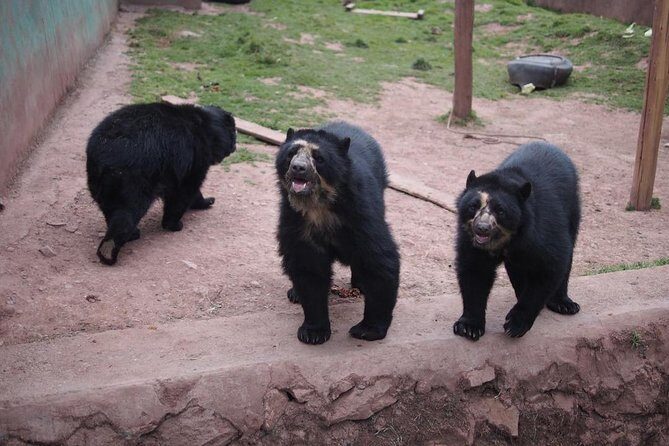
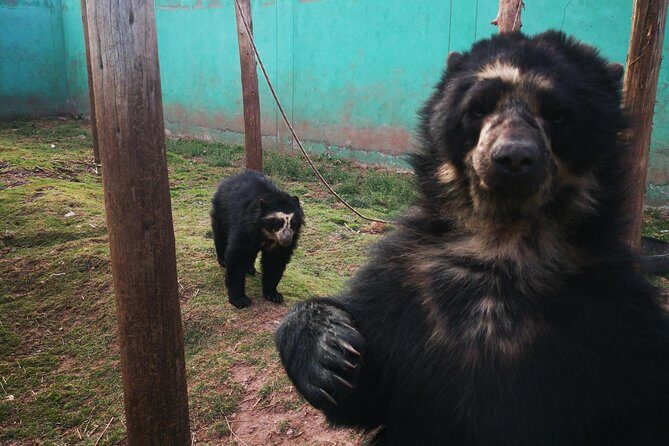
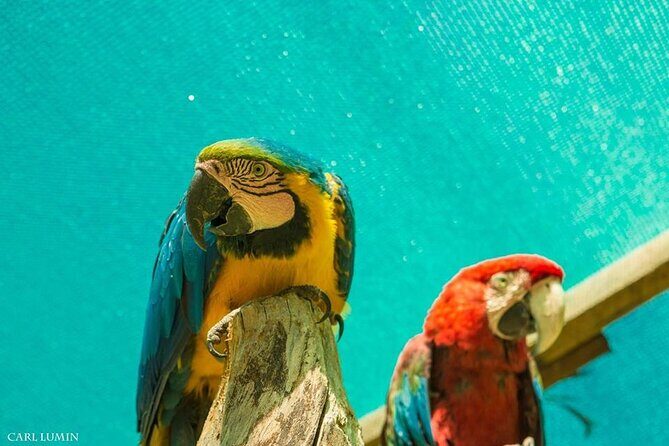
What stands out most is the breadth of native species you can run into during the walk-through. Expect a mix from the sierra and jungle regions, including monkeys, macaws, turtles, deer, deer cats, alpacas, bears, wild cats, foxes, and condors.
Yes, that list is long. But you’re not just ticking boxes. The point is learning how each animal ended up there and how the sanctuary cares for rescued wildlife.
You’ll also see the animals in their housing areas, which helps you understand that this is a care facility, not a roadside zoo. When you connect the animal to its story, the whole visit starts to feel more meaningful (and less like sightseeing).
The mission: education, rescue, and returning animals to nature
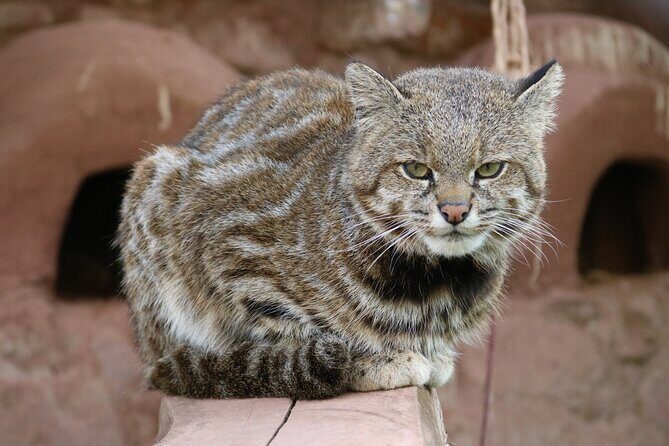
The sanctuary’s mission is built around two big ideas: education and the long-term wellbeing of rescued animals.
You’ll learn that many animals living there were victims of human behavior, and that they need healthy food, attention, and consistent care to feel safe. That message isn’t just a poster on the wall—it’s tied to what you see and hear during the tour.
A key part of the mission is education. The sanctuary invites schools and the public to teach children to respect nature and animals. If you’re traveling with family, this is the kind of visit that can lead to better conversations later, not just a cool memory.
There’s also a rewilding goal. The sanctuary focuses on freeing some animals back to their natural habitats when possible. That future-facing plan is exactly what makes the visit feel like more than a day trip.
A personal guide makes the stories click (and Albert is a standout)
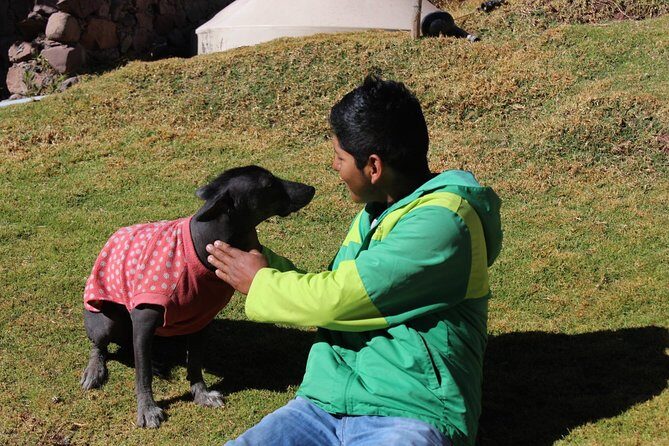
The tour is designed around a personal guide, and that makes a difference. When a guide can explain each animal slowly and clearly, you start paying attention to the small details: how the animal is described, what challenges it faced, and what the sanctuary does now.
One guide name shows up in the experience: Albert. In particular, his tours are described as patient and detailed, with the story of where the animals came from and what they went through.
That kind of storytelling helps you understand why some animals are in certain housing setups, and why feeding or close contact (when offered) is handled carefully. It turns the visit into learning, not just looking.




Feeding and close encounters: fun moments, with the right attitude
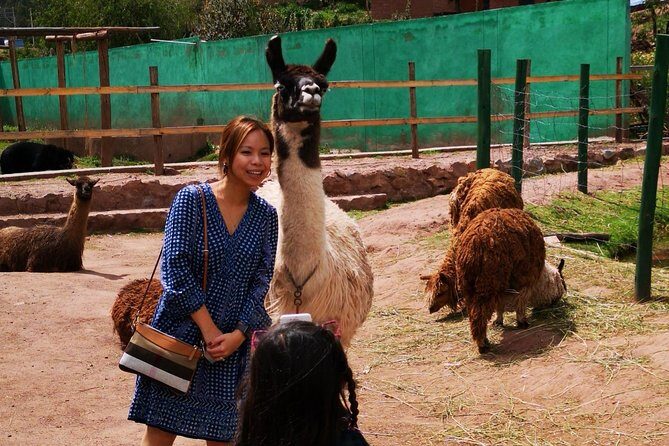
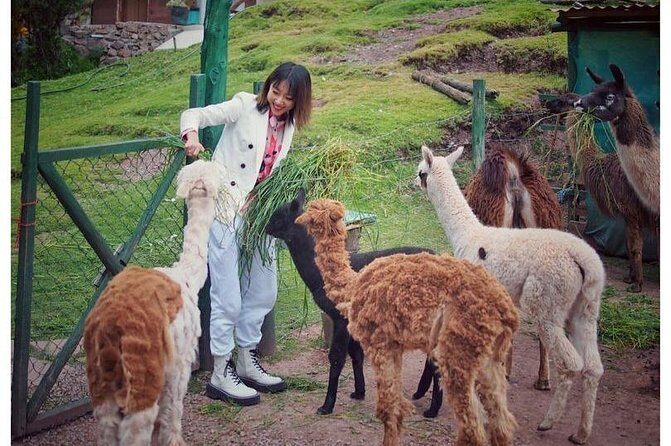
Animal days should be joyful. They should also be respectful. Here, you may get moments that feel interactive—like feeding birds and alpacas, and even petting a toucan in some cases if the staff bring it out for a picture.
In other words: you don’t control the schedule. The sanctuary controls what’s appropriate and when. I like that approach because it keeps the day humane and reduces chaos.
If feeding or petting happens during your time slot, treat it like a guided moment. Watch what the staff asks, stay where you’re told, and focus on calm behavior over excitement.
Also, remember this is still a rescue environment. If you go in expecting carnival-style handling, you’ll be disappointed. If you go in ready to observe and learn, the fun moments become extra satisfying.
The store: alpaca products that directly support animal care
After the main tour time, you’ll have access to a store selling products made of alpaca. Here’s what’s important: the sales are built to support the sanctuary’s work.
The split is clear—50% goes toward the animals, and 50% supports peasant communities around the sanctuary. Since the sanctuary does not receive government support, that private funding matters.
This is one of those rare tourist purchases that actually ties to real operations: food, care, and the ongoing ability to run the sanctuary’s programs. If you like alpaca goods, it’s a practical way to support the mission without turning the visit into guilt shopping.
If you don’t want to buy, that’s fine too. You’ll still leave with a better understanding of where your money can matter.
Timing and what to do after: a relaxed finish back in town
The tour typically runs about an hour of sanctuary admission time within the overall 2 to 3 hour window. Afterward, you get free time.
One of the nicer details is the flexibility around where you end up. Depending on your setup, you may be taken back to your accommodation or dropped near the main square of Cusco. The activity ends back at the meeting point area, so it stays easy to continue your day.
This makes it a good option if you’re not trying to pack your schedule like a train timetable. You can do a sanctuary visit, then go back to eat, rest, or take a slower walk through town.
Price and value: why $34 makes sense for what you get
At $34 per person, this is priced like a proper activity, not a donation-only visit. The value comes from three things: transportation support (pickup), guided interpretation, and admission included for the sanctuary portion.
You’re not just buying entry. You’re paying for a guided learning experience plus a small-group setup, and that’s what keeps it from feeling rushed or generic.
Also, the tour supports a sanctuary that is not backed by government funding. When the mission is tied to animal care and education, your ticket isn’t just a ticket. It becomes part of the funding chain.
If you’re comparing against other Cusco outings, this one is a strong choice when you want a calm, meaningful visit rather than a long day of driving and crowds.
Who should book this sanctuary tour in Cusco
This fits best if you:
- love animals and want to learn what’s behind their rescue
- care about education programs and not just photo ops
- want a short, guided outing that works well with a Cusco itinerary
- prefer smaller groups
It may be less ideal if you:
- need a day with guaranteed outdoor conditions (weather can affect plans)
- expect a very hands-on experience like volunteering (this is a guided visit)
- dislike anything centered on animal welfare and rescue stories
Quick practical tips to make your day smoother
Bring or plan for sun and mild cold: Cusco can shift fast, even when the day looks fine. Wear comfortable shoes for walking on sanctuary paths.
If you’re interested in the interactive moments (like feeding), keep your expectations flexible and follow the staff’s guidance. And if you’re going with questions—about what you’re seeing or how rescues work—this tour is set up for answers.
Finally, if you’re planning to shop afterward, check your budget. Alpaca items are part of the support model here, not an afterthought.
Should you book this Cochahuasi Animal Sanctuary tour?
I’d book it if you want a humane, education-led animal experience with small-group pacing, guided storytelling, and a mission that goes beyond the day you visit.
It’s also a smart choice for value. You get pickup support, the sanctuary admission portion, and time with a guide like Albert when available. When the goal is respect for animals and practical support for their care, $34 feels fair.
Just watch the weather and keep your schedule flexible. If your days are tight and you hate uncertainty, this might not be the best bet. If you can spare a little wiggle room, this is one of the more worthwhile ways to spend a few hours in Cusco.
FAQ
How long is the Cochahuasi Animal Sanctuary tour?
It runs about 2 to 3 hours total, with around 1 hour of sanctuary admission time included.
Do I get hotel pickup in Cusco?
Yes. Pickup is offered from your hostel or Airbnb (or you can meet at Selina Cusco Saphi on C. Saphy 601).
What language is the tour offered in?
The tour is offered in English.
What animals can I expect to see?
You may see monkeys, macaws, turtles, deer, deer cats, alpacas, bears, wild cats, foxes, condors, and other native animals from the sierra and jungle regions.
Is there a maximum group size?
Yes. The tour has a maximum of 10 travelers.
What happens if the weather is bad?
This experience requires good weather. If it’s canceled due to poor weather, you’ll be offered a different date or a full refund.