REVIEW · CUSCO
4 – Day Choquequirao Trek with Camping via Chikiska from Cusco
Book on Viator →Operated by Samex Tours Perú Travel Agency · Bookable on Viator
Choquequirao begins before sunrise. I love the well-run small-group setup and the included meals and guide, and you’ll appreciate how clearly the trek is paced across the Apurímac canyon; the trade-off is demanding walking at altitude with very early mornings.
What makes this route special is the mix of big Inca sights and real footwork: you drop into the canyon, climb back up to Marampata, then spend time at Choquequirao itself before heading back over Capuliyoc.
In This Review
- Key things that make this trek worth your time
- Why Choquequirao feels different on foot
- Price and value: what $610 covers (and what to budget extra)
- The route in plain words: Cachora → Chikiska → Marampata → Choquequirao
- Day 1: Cachora breakfast, Capuliyoc views, then a canyon descent to Chikiska
- Day 2: the Marampata climb and the Choquequirao hours that make it all click
- Day 3: back down to Rosalina Beach, then up again to Chikiska
- Day 4: the Capuliyoc viewpoint, lunch in Cachora, and the drive home
- Camping, cabins, and what you really need to carry
- Pace, fitness, and altitude: what to expect honestly
- Who this trek suits best (and who might want a different option)
- Should you book the 4-Day Choquequirao trek via Chikiska?
- FAQ
- What time does pickup happen in Cusco?
- How long is the trek?
- Is the Choquequirao entrance ticket included?
- What language is the tour offered in?
- Is camping gear provided?
- Do I need a sleeping bag?
- Are trekking poles included?
- How much can the horse/mule carry?
- Is cancellation free?
Key things that make this trek worth your time
- Early pickup at 4:30 am from Cusco means more daylight in the canyon and less rushing later
- Horse/mule support for up to 5 kilos of food/camping gear per person helps keep your personal load reasonable
- Choquequirao time on-site (about 4 hours) so you’re not just snapping photos and running
- Cabins and camps, not just tents every night—you’ll get a real change of scenery
- Meals are largely handled (breakfast/lunch/dinner counts included), so you focus on hiking and breathing
- Private transportation reduces the “stop-and-wait” feeling on travel days
Why Choquequirao feels different on foot
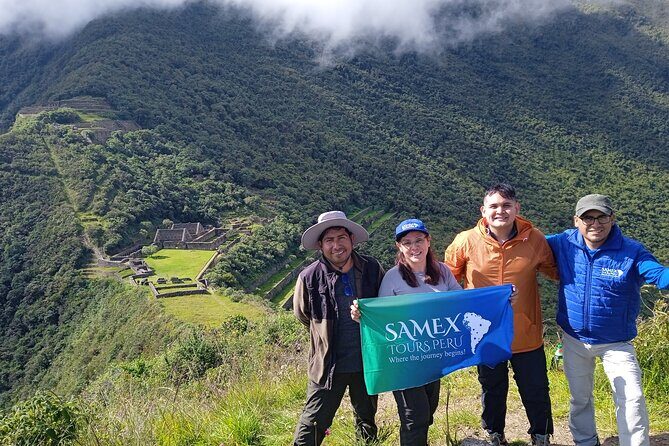
Choquequirao isn’t a “quick look” kind of stop. This trek gets you there the old-fashioned way: walking down into the Apurímac canyon, then earning your views back uphill. That matters, because you arrive tired in the best way—ready to notice details instead of rushing past them.
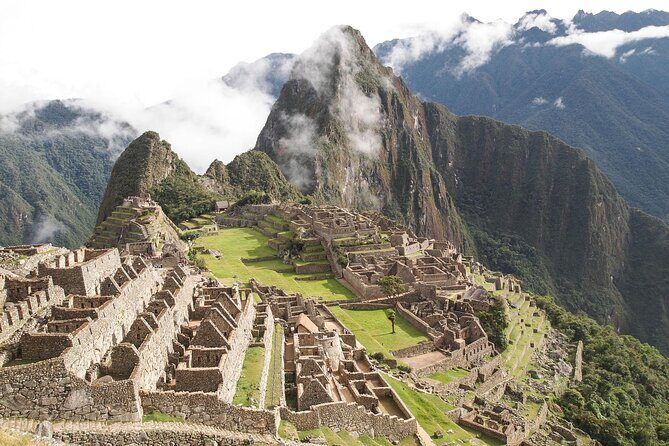
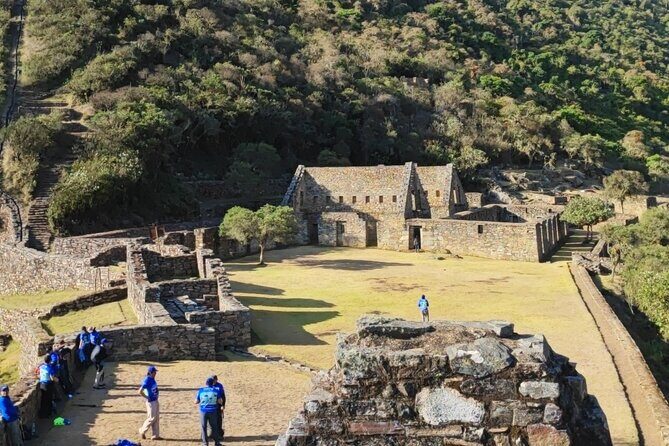
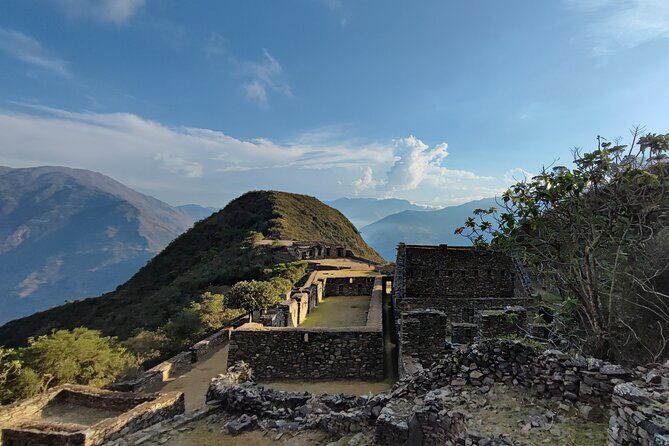
Choquequirao itself is the last Inca refuge during Spanish resistance, and it’s still under excavation. About 30% has been discovered so far, with the rest still hidden under bushes. It’s also described as about four times larger than Machu Picchu, which helps explain why timing is important: you’re given hours to explore the terraces, houses, squares, and even llamas you can spot on the slopes.
The trek also uses Marampata as a base point before the final push to the citadel. That design is smart for most walkers: the first two days do the heavy altitude work, then the Choquequirao approach feels easier from there.
You can also read our reviews of more hiking tours in Cusco
Price and value: what $610 covers (and what to budget extra)
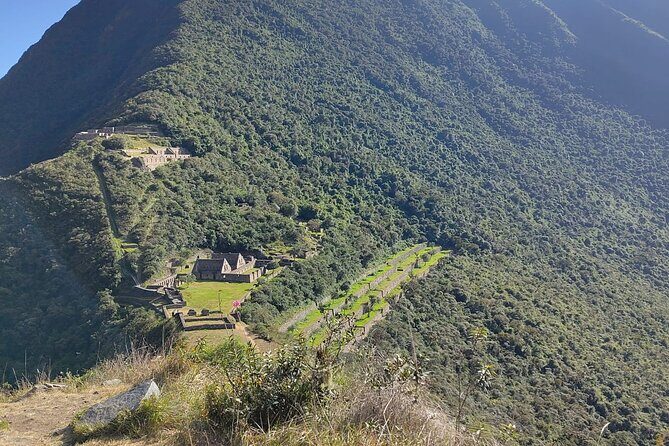
At $610 per person, this is a mid-range price for a 4-day trek with guided support and entrance fees. What you get baked in is the stuff that usually costs extra on Peru treks:
- Professional guide
- Entrance to Choquequirao
- Private transport
- Horse/mule service for shared food and camping gear (up to 5 kilos per person)
- Meals: 3 breakfasts, 4 lunches, 3 dinners
- Tents (quadruple tents used for two people), with the option to switch to cabins/accommodation
- A first aid kit
Two costs can catch people off guard. A sleeping bag is not included (listed at $20). Trekking poles are also extra ($20, noted twice in the info). And the first breakfast is listed separately ($10). If you know you’ll want poles and you don’t have a sleeping bag, plan on adding that early so your budget doesn’t surprise you on arrival.
Bottom line: if you compare what’s included, this price feels fair for the full package—especially the guide, the entrance fee, and the logistical lift via horses for the heavy shared items.
The route in plain words: Cachora → Chikiska → Marampata → Choquequirao
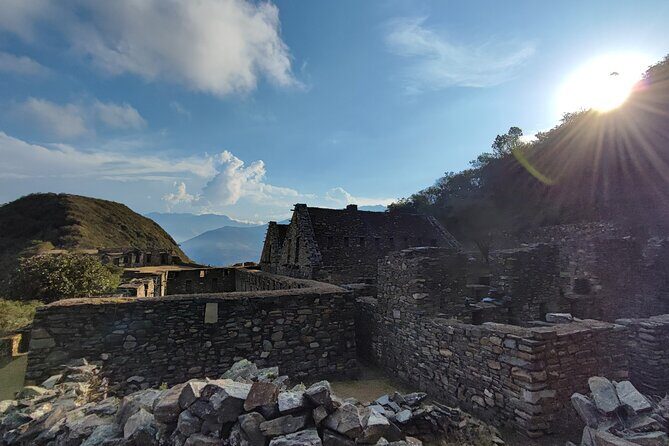
This trek is all about altitude swings. You start high, drop into the canyon, then keep climbing in stages.
You’ll begin at 4:30 am in Cusco, then travel about 4 hours to Cachora for breakfast. After that, you move toward Capuliyoc (2,900 m)—a key starting point for the day’s main hiking work. From there, the route is a long descent through the Apurímac canyon to Chikiska (1,883 m), where you eat lunch and settle for the night in a lodging house or campsite.
Day 2 is your main “moving up” day. You start at 4:30 am, breakfast at 5:30 am, then descend toward Rosalina Beach (1,550 m). After that you start climbing again—first to Santa Rosa Baja (2,095 m) and then up to Marampata (2,900 m). From Marampata, it’s much easier to reach Choquequirao itself, with a walking approach described as undulating for about 2 hours to the archaeological complex around 3,100 m.
Day 3 brings you back down to Rosalina Beach, then up to Chikiska again for lunch and the final hiking night. Day 4 is the return: an early ascent from Cocamasana to Capuliyoc for the viewpoint, then transport to Cachora for lunch, and finally the drive back to Cusco.
Day 1: Cachora breakfast, Capuliyoc views, then a canyon descent to Chikiska
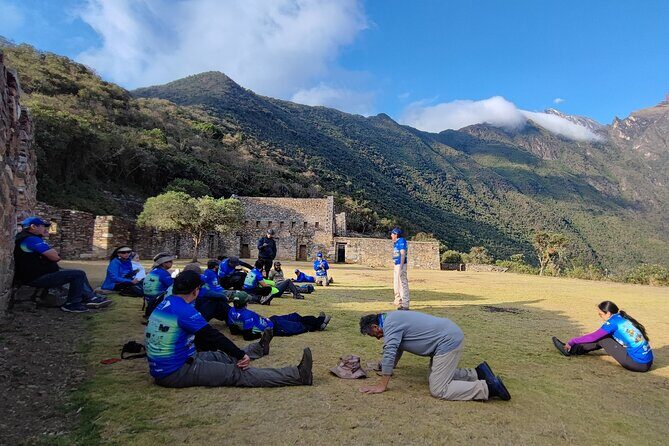
Day 1 is your big warm-up and reality check. You leave Cusco at 4:30 am and reach Cachora roughly four hours later. Breakfast is part of the arrival rhythm, not an afterthought, which helps because the real hike starts soon after.
Then you head to Capuliyoc (2,900 m). Even if you don’t feel “done” yet, Capuliyoc sets the tone: you’re starting high enough that your body pays attention to breath and effort.
The main action is the descent. You’re looking at 3–4 hours down through the Apurímac canyon to Chikiska (1,883 m). That’s a long walk down, and it’s where good pacing pays off. Going downhill too fast can beat up your knees even when the trail feels “just walking.” Plan to move steadily, not heroically.
Once you reach Chikiska, you’ll have lunch and then the afternoon is free. That free time is important. It’s when you rest, eat dinner, and sleep—either in a campsite setup or a lodging house, depending on what’s arranged.
Practical note: this first day can feel gentle compared to later climbs, but your legs are still working. Treat it like a day to save energy, not a day to go sightseeing at full speed.
Day 2: the Marampata climb and the Choquequirao hours that make it all click
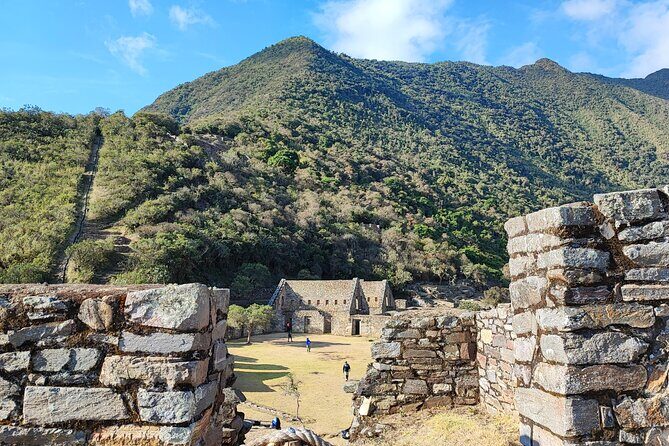
If Day 1 sets up the canyon, Day 2 delivers the payoff.
You wake up at 4:30 am, then breakfast hits at 5:30 am. You descend first to Rosalina Beach (1,550 m) for about 1 hour—then the climb starts. The trek lists a 3-hour ascent to Santa Rosa Baja (2,095 m), followed by another 3-hour climb up to Marampata (2,900 m).
Marampata is where the view reward starts. You’ll be staying in cabins overlooking the Apurímac canyon, with a lunch break included. This is one of the reasons the trek is designed this way: you get time up high where the air and views feel different, and you’re not just grinding to a destination with no breathing room.
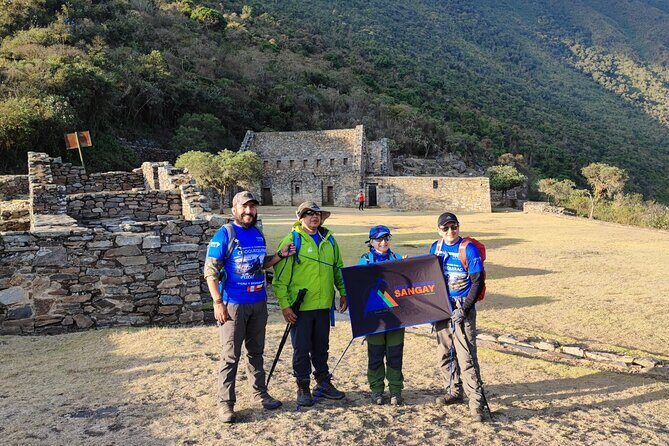
Then comes Choquequirao. From Marampata, the walk is described as easier—more gentle undulations over about 2 hours up to the archaeological complex around 3,100 m. Entrance is included, and you get about 4 hours on-site. That’s enough time to slow down and look at terraces, house areas, squares, and the wider structure of the city instead of treating it like a brief stop.
This is also where a guide matters. The site’s story—last Inca resistance, ongoing excavation, and why only a portion has been uncovered—lands better when someone explains how to read the place.
Day 3: back down to Rosalina Beach, then up again to Chikiska
Day 3 is the day of controlled repetition. You start after breakfast and head down 4 hours back toward Rosalina Beach, then begin a shorter uphill segment—about 1 hour—to Chikiska.
This day can feel mentally tougher than it looks on paper. You’re retracing effort: the body works, the legs know the route, and it’s easy to get impatient. But the upside is practical—by Day 3 you know what to expect. You’ve already done the big climb on Day 2, so now you’re managing fatigue rather than discovering new terrain.
The reward is that you’re staying near the canyon again for a final night. Lunch is included at Chikiska, and you’ll have dinner afterward, with the trek preparing you for the last day’s return climb.
This is also the day where I’d recommend you keep your pack weight under control. Even with horses/mules carrying shared camping gear, you still have your personal essentials. If you pack extra “just in case” items, Day 3 tends to punish you for it.
Day 4: the Capuliyoc viewpoint, lunch in Cachora, and the drive home
Day 4 starts early again—after breakfast at 5:00 am you begin an ascent path from Cocamasana to Capuliyoc. You’re walking about 4 hours and aiming for a viewpoint return that frames the canyon you’ve been working through all trek long.
Once you reach Capuliyoc, you say goodbye to the views—then transport is waiting. You’ll go to Cachora for lunch and then return to Cusco, with about 4 hours of driving.
This day matters more than it sounds. You’re finishing with a climb, not a flat stroll, so your energy management from Day 2 and Day 3 makes a difference. But it’s also a relief day: you’re not preparing food or doing complicated logistics. The hiking ends, and the route back to comfort starts.
If you want a simple strategy: keep your pace easy on the final ascent, then enjoy the drive. After days in high-altitude air and steep grades, the “boring” hours of transport can feel like a gift.
Camping, cabins, and what you really need to carry
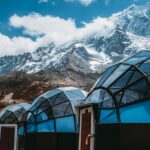
Accommodation on this trek mixes options. Tents are listed as quadruple tents used for two people, though they note it can be replaced with cabins or accommodation. The pattern described:
- Day 1: lodging house or campsite in Chikiska
- Day 2: cabins overlooking the canyon at Marampata
You’ll also be covered on shared supplies and logistics: horse and muleteer service carries food and camping equipment, limited to 5 kilos per person. That line matters. It implies your personal items are still on you, and only the shared cargo gets the animal support.
The trek includes a first aid kit and a professional guide, which is worth taking seriously on longer canyon days.
Two items you should plan for ahead of time:
- a sleeping bag ($20 listed)
- trekking poles ($20 listed)
Even if you’re a strong walker, poles can be a knee-saver on the downhill portions. If you don’t want to rent them, traveling with your own can be the smarter call.
Pace, fitness, and altitude: what to expect honestly
This trek is for people with strong physical fitness. It’s described as medium-high difficulty by the nature of the route, with long days and real climbs. It’s not a technical climbing trek, but it is a stamina trek. You’ll do multiple long uphill segments and at least one steep-feeling downhill day.
The route touches these elevations (key points):
- Starting near 2,900 m (Capuliyoc)
- Down into the canyon to 1,883 m (Chikiska)
- Further down to 1,550 m (Rosalina Beach)
- Up to 2,095 m (Santa Rosa Baja)
- Up to 2,900 m (Marampata)
- Up to 3,100 m at Choquequirao
That’s a lot of vertical movement for four days. For you, that means it’s less about “can you walk” and more about “can you walk consistently without burning out.” You’ll get better results by using steady effort and keeping breaks real.
If you’ve struggled with altitude before, consider arriving in Cusco early enough to acclimate on your own schedule. The trek starts aggressively at 4:30 am, so you won’t have the luxury of slow mornings.
Who this trek suits best (and who might want a different option)
This is a good match if you want:
- a guided, structured trek (not “figure it out” hiking)
- real access to Choquequirao with hours on site
- a mix of camping and cabins
- logistical help for heavy shared gear (the 5-kilo limit for carried equipment)
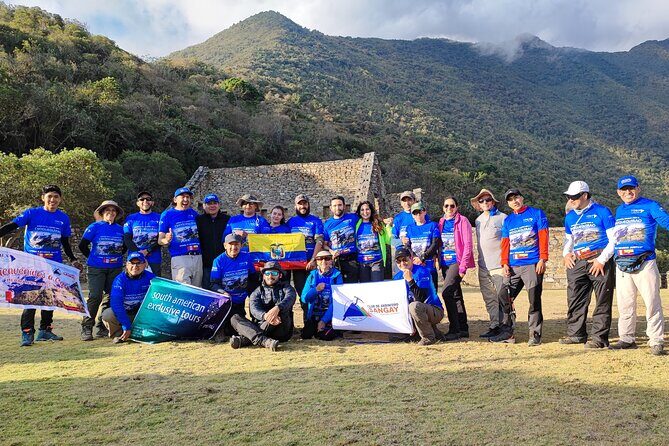
It’s also a solid option if you dislike the uncertainty of DIY treks—because transport, meals, and entry are handled. The small group cap of 10 travelers is another plus; it tends to keep things organized and manageable on tight trail sections.
It may be less ideal if you’re looking for a relaxed vacation schedule. Early wake-ups, long walking days, and altitude work make this one for people who like movement and can handle effort.
Should you book the 4-Day Choquequirao trek via Chikiska?
I’d book this if Choquequirao is on your must-see list and you’re ready for a serious hiking schedule with strong logistical support. The combination of guide + entrance + meals is a big value driver, and the time you get on-site at Choquequirao is long enough to actually enjoy it.
I’d think twice if you don’t plan to bring or buy the right basics (especially a sleeping bag and ideally trekking poles) or if long downhill/uphill walking at altitude makes you nervous. This trek rewards steady walkers more than fast, impulsive ones.
If you want the Inca city that feels earned—this route is the kind you remember.
FAQ
What time does pickup happen in Cusco?
Pickup is scheduled for 4:30 am from any hotel near the city center.
How long is the trek?
The itinerary is designed for 4 days (approximately).
Is the Choquequirao entrance ticket included?
Yes, entrance to the Choquequirao Archaeological Complex is included.
What language is the tour offered in?
The tour is offered in English.
Is camping gear provided?
Tents are included (quadruple tents for two people), and the accommodation plan can be replaced with cabins or accommodation.
Do I need a sleeping bag?
Yes. A sleeping bag is not included (listed at $20).
Are trekking poles included?
No. Trekking poles are not included (listed at $20 per person).
How much can the horse/mule carry?
The horse and muleteer carry food and camping equipment, up to 5 kilos per person.
Is cancellation free?
Cancellation is free up to 24 hours in advance for a full refund. If you cancel less than 24 hours before the start time, the amount paid is not refunded.