REVIEW · CUSCO
Cusco Sacred Valley Moray Salines Ollantaytambo Chinchero Pisaq
Book on Viator →Operated by Tour Machu picchu best · Bookable on Viator
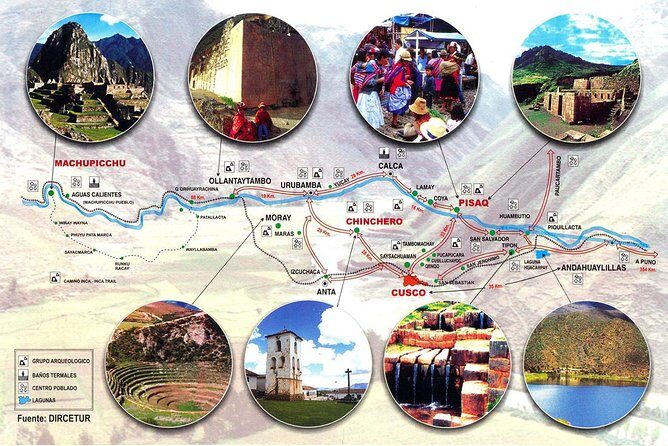
If you want the Sacred Valley in a single day, this route delivers. You’ll bounce between Chinchero, Moray, Maras Salt Mines, then finish at Ollantaytambo and Pisac—all with hotel pickup and a real buffet lunch stop.
What I like most is how the day mixes big Inca ruins with places that show the “why” behind the sites, not just the “what.” I also really value the bilingual help—in real-world use, guides like Jose Manuel and Eddie have switched between English and Spanish so the non-Spanish speakers are kept in the loop.
One thing to plan for: it’s a long day, and you’ll need to budget separate entrance fees. Tickets for Chinchero, Moray, the salt mines, and Ollantaytambo/Pisac run about 90 soles total in cash, and the bus can get tight if it’s full.
In This Review
- Key highlights you should care about
- A 6:30 AM start means you get daylight and fewer crowds
- Chinchero: Inca palace ruins under a 17th-century church
- Moray: circular terraces high at 3,500 meters
- Maras Salt Mines: 3,000+ working pools climbing down the Andes
- Urubamba buffet lunch: a real reset between ruins
- Ollantaytambo: terraces, Temple of the Sun, and cobblestone streets
- Pisac: major archaeological ruins with a finishing touch
- Guides and drivers: how the best days stay organized
- Price and value: what $27 covers, and what you add on
- Who should book this Sacred Valley one-day loop
- Should you book Super Sacred Valley of the Incas?
- FAQ
- What time does the tour start?
- How long is the tour?
- What’s the price per person?
- What does the tour include?
- Are entrance tickets included?
- Which stops are part of the day?
- What about cancellations?
Key highlights you should care about
- A 12-hour Sacred Valley loop that keeps you moving without feeling like a race
- Bilingual guiding that works even when English speakers are in the minority
- Moray’s circular terraces at about 3,500 meters, explained in a way that makes sense
- Maras Salt Mines’ 3,000+ working pools stacked down the Andes slope
- Ollantaytambo’s Temple of the Sun and terrace fort with cobblestone streets nearby
- Buffet lunch in Urubamba, timed to keep the day flowing
A 6:30 AM start means you get daylight and fewer crowds
You start early, 6:30 am, and yes, it feels early. But the payoff is that you’ll arrive at the key stops while it’s still calmer than mid-day, and you’re less likely to spend your day in peak lines.
This tour is built for people who want a lot of highlights in one push. If you’re trying to do Cusco basics plus Machu Picchu plus extra site time, a one-day Sacred Valley plan can save you a day and still leave you energized for what’s next.
You can also read our reviews of more tours and experiences in Cusco.


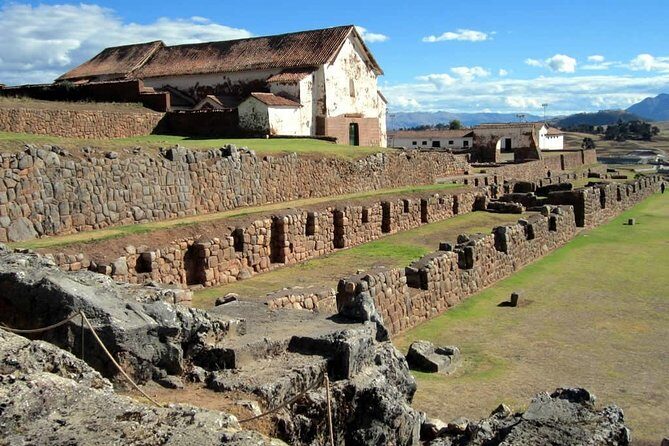
Chinchero: Inca palace ruins under a 17th-century church
Chinchero is a strong first stop because it connects layers of time. You can visit the church built in the 17th century on top of older Inca palace ruins, and the interior is covered with floral and religious motifs.
This is also where you’ll start to see the pattern of the day: you’re not just touring stones. You’re watching how later cultures repurposed older places, and that makes the Sacred Valley feel more real than just a checklist.
What to watch for: the church visit depends on timing and access that day, so don’t count on deep extra exploration. If your goal is photos and quick context, Chinchero hits the mark.
Moray: circular terraces high at 3,500 meters
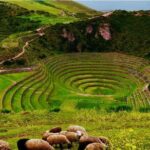
Moray sits near Cusco and sits around 3,500 meters—so take it easy at first. The site is famous for those circular platforms, and the key is how your guide frames them: the circles aren’t random. They’re a clever design that helps you understand how people may have experimented with conditions.
If you’re short on time in the Cusco region, Moray is worth including because it’s distinctive. It looks different from the classic temple-and-stone-fort sites, so your brain gets a new shape of “Inca ingenuity” to hold onto.
Possible drawback: altitude. Even if you’ve adjusted well, you may feel it more on this leg than on flatter days. Bring water and slow down for the first part of the walk.
Maras Salt Mines: 3,000+ working pools climbing down the Andes
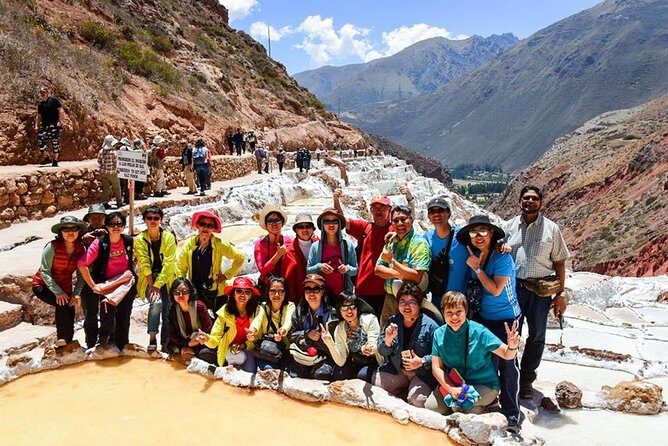
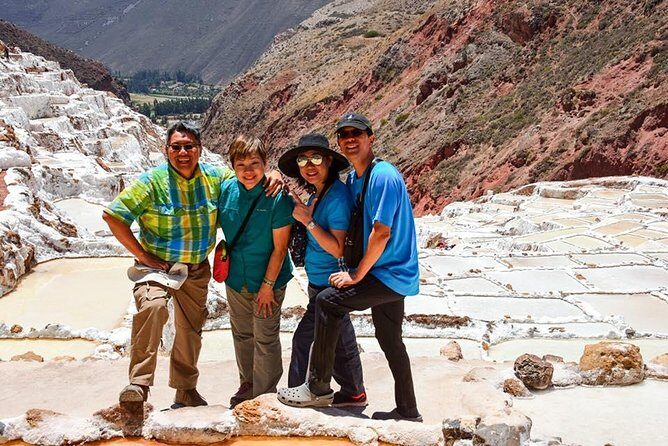
Maras Salt Mines are one of those places where your first thought is, Wow, that’s a lot. This isn’t a ruined monument you admire from afar—there are more than 3,000 fully functioning salt flats, stacked as pools drop lower down the slope of the Andes.
The visual is the point. You get that stepped pattern of small pools stretching across the hillside, and it’s one of the best spots on the tour to feel like you’re seeing something still alive and still used.
What I’d do if you’re photo-focused: slow your pace and pick a viewpoint before walking down too far. From up higher you tend to get the full “grid” effect.
Urubamba buffet lunch: a real reset between ruins
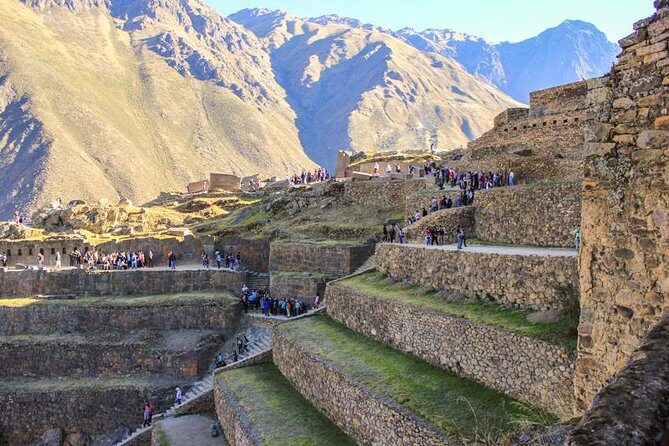
Urubamba is where you stop for a buffet lunch, and it’s a smart move in the middle of a packed day. After several site walks, you’ll want a proper break that doesn’t eat into the rest of your schedule.
In practice, this is also a “friendliest moment” of the day. Reviews mention the lunch as impressive, which makes sense—when a tour includes a decent meal stop, you’re more likely to enjoy the next sites instead of feeling drained.
Tip: eat, then give yourself a few minutes after. Don’t rush back to the bus the second the plate is empty; short rest helps with altitude and long-day fatigue.




Ollantaytambo: terraces, Temple of the Sun, and cobblestone streets
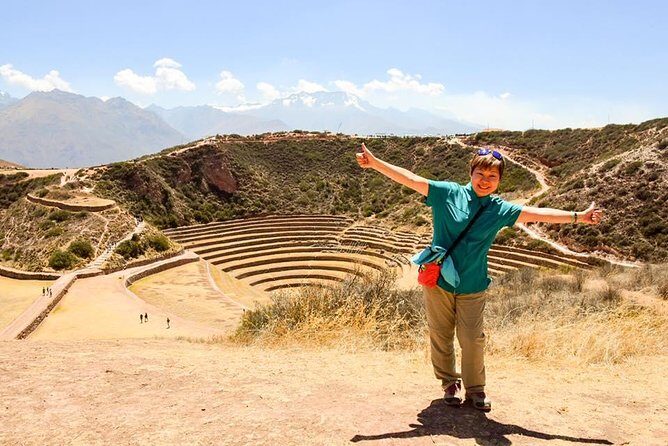
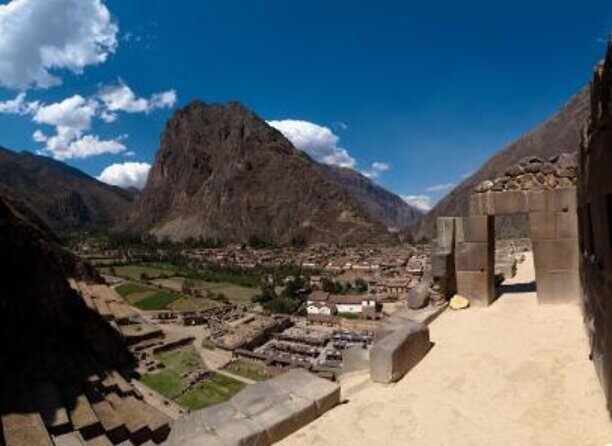
Ollantaytambo is both a site and a living village feel. The Inca fort sits on a hillside with major stone terraces, including the Temple of the Sun and the fountain tied to the story of the Princesses.
This stop works especially well after Maras and Moray. By the time you get here, you’ve already learned to look for design logic in Inca places, so Ollantaytambo feels less like random ruins. It reads like a plan: defense, water, and ceremonial space built into one complex.
You’ll also have a chance to see the historic center with cobblestone streets and adobe buildings from the Inca era. It’s a nice contrast: you go from monumental terraces to human-scale streets.
One practical note: if your plan is to base yourself in Ollantaytambo, I’d ask your guide about drop-off timing. One review specifically described coordinating to leave the tour group when it shifted toward the Pisac leg, which can be handy if your itinerary is already set.
Pisac: major archaeological ruins with a finishing touch
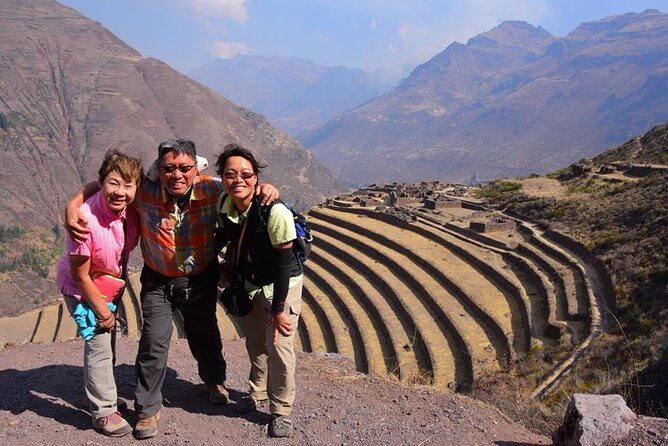
Písac is one of the most visited Sacred Valley archaeological complexes, located about 30 kilometers from Cusco in the Písac area. Even if it’s not your first stop, it’s a strong closing act because it keeps the focus on ruins and remains the same kind of structured site experience as the morning.
This is also where the tour’s “one-day intensity” becomes real. You may feel like you’re walking more than expected by the end of the day, so pace yourself. Your guide’s job is to keep time moving; your job is to keep your body moving.
Consideration: if your dream includes extra browsing time in markets and shops, a single day can feel tight. The tour can include shopping stops, and if that’s your priority, you might prefer a slower, multi-day plan.
Guides and drivers: how the best days stay organized
Good guiding makes the difference between reading stones and understanding them. In English-heavy situations, I’ve seen how matters like pacing and explanations can decide whether the day feels personal or chaotic.
This tour has a strong track record for that. Names that came up include Jose Manuel and Reuben as guides, plus Eddie for bilingual instruction, with driver Alex described as getting everyone where they needed to be on time. One standout detail: when a wallet was left behind, the driver reportedly drove it back to the hotel. That’s the sort of behind-the-scenes follow-through you hope for, especially on a long day.
Group-size reality check: if the bus is full, it can get squeezy. That’s not the end of the world for a 12-hour day, but if you’re tall or you dislike tight seating, consider packing light and preparing for less personal space.
Price and value: what $27 covers, and what you add on
At $27 per person, the value is mostly about what’s included. You get hotel pickup, round-trip transportation, and a buffet lunch in Urubamba, plus a tourist office guide.
What’s not included is the entrance-ticket side. You’ll need about 90 soles cash for tickets tied to Chinchero, Moray, the salt mines, and Ollantaytambo/Pisac.
So the real budget look for you is simple:
- $27 for the service and transport
- plus roughly 90 soles cash for site entry
If you compare this to paying separate taxis plus separate guides plus separate lunch, the math usually shifts in favor of booking. The only time it’s not great value is if you already planned a self-guided route and only need transport at specific times.
Who should book this Sacred Valley one-day loop
This tour fits best if you want:
- a big picture overview of the Sacred Valley in one day
- strong guiding and explanations (not just wandering)
- a mix of architecture and working sites like the salt mines
- a simple plan with pickup and a lunch stop handled for you
It’s also a good fit if you’re not trying to do deep shopping detours. The day focuses on sites and time on the ground, which is exactly what many people want when their Cusco schedule is packed.
If you’re the type who needs long market time, or you want to spend hours at just one or two places, you’ll probably feel the schedule pressure. In that case, you may want a longer Sacred Valley stay instead of compressing everything into one run.
Should you book Super Sacred Valley of the Incas?
I’d book it if your goal is to see the major Sacred Valley highlights without spending extra days on logistics. The combination of Moray, Maras Salt Mines, and Ollantaytambo is a strong trio, and the English-friendly guiding (including the kind of bilingual support described by Jose Manuel, Reuben, and Eddie) helps you get more out of every stop.
I’d think twice if you hate early mornings, struggle with altitude, or want lots of free time at markets. This is a full-day program, and the bus time is part of it.
If you’re flexible and ready for a high-output day, this tour is a smart way to turn a single day into a meaningful Sacred Valley overview.
FAQ
What time does the tour start?
The tour start time is 6:30 am.
How long is the tour?
The duration is about 12 hours.
What’s the price per person?
The price is $27.00 per person.
What does the tour include?
It includes hotel pickup, round-trip transportation, buffet lunch in Urubamba, and a tourist office guide.
Are entrance tickets included?
No. Tickets for Chinchero, Moray, the salt mines, and Ollantaytambo/Pisac are not included and require about 90 soles cash.
Which stops are part of the day?
You’ll visit Chinchero, Moray, Maras Salt Mines, Urubamba for lunch, Ollantaytambo, and Pisac.
What about cancellations?
You can cancel for a full refund up to 24 hours in advance of the start time.