REVIEW · CUSCO
Chinchero, Maras, Moray and Salt Mines from Cusco, Guide & driver
Book on Viator →Operated by Amazing Andean Adventures · Bookable on Viator
One day, three Inca stops worth your time. I like how this tour stitches together Chinchero markets, Moray’s circular terraces, and the Maras Salt Mines in one efficient loop, with hotel pickup and a private ride. The guide angle is a big part of the appeal too—guides like Danny, José Luis, and Juan Aguirre were praised for clear English and patient, human interaction (including when people practiced Spanish). The main drawback to plan for is that site entrance fees are not included and must be paid on-site in soles.
Cusco morning timing matters here: you’re picked up in time to start the day, then you’re out across the Sacred Valley in a private vehicle. The pace stays calm and comfortable, so you’re not wrestling with public transport while trying to enjoy big sights. It’s also private, meaning your group can move at a sensible tempo and ask questions without feeling rushed.
You’ll spend the day learning how the Incas adapted to altitude and resources—then you’ll finish with the kind of place you remember because it looks different from anything else. If you love textiles, agriculture, and real-world salt harvesting, this one checks a lot of boxes.
In This Review
- Key highlights I’d build my day around
- How the Cusco pickup and private vehicle shape your day
- Chinchero’s adobe church and market stops for textiles and souvenirs
- Moray’s circular terraces: the Inca farming laboratory you can’t unsee
- Salinas de Maras salt mines: terraced pools and real harvesting
- Guides who set the tone: English, explanations, and chicha moments
- Price and value: is $130 a fair deal for this full-day mix?
- Practical itinerary flow: what each hour feels like
- Should you book this Chinchero–Moray–Maras day tour?
- FAQ
- How long is the tour from Cusco?
- What’s included in the price?
- Are entrance fees included?
- What language is the guide?
- Is this a private tour?
- Is it suitable for most travelers?
Key highlights I’d build my day around
- Hotel pickup and drop-off in Cusco means you start and end without stress.
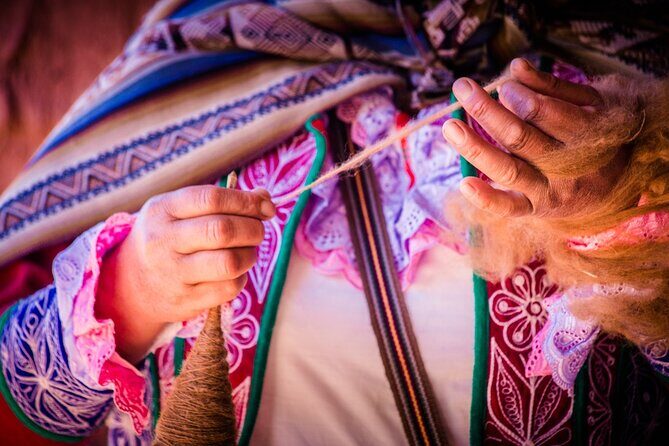
- Chinchero textiles: see alpaca and vicuna yarn cleaned, dyed, and woven.
- Moray’s terraces: circular ruins explained as an agricultural research setup.
- Maras Salt Mines: terraced salt pools built for evaporation-based harvesting.
- English-speaking private guide who can tailor attention to your interests.
- Small extra costs on-site for archaeological admissions, paid in soles.
How the Cusco pickup and private vehicle shape your day
The biggest practical win is simple: you get picked up from your Cusco hotel (or a nearby location) and dropped back at the end. That matters in Cusco because mornings can be chaotic, and you don’t want to lose momentum before you even reach the first site.
This is also a private transportation day. You’re not sharing a cramped ride with strangers, and that tends to make the route feel smoother—especially on an 8-hour schedule that packs multiple stops. In the reviews, people repeatedly described the tour as easygoing and comfortable, which fits the overall “one group, one plan” setup.
One more detail I appreciate: it’s designed as a private tour where your interests can guide the emphasis. If you care more about shopping, you’ll likely spend more time with market stops. If you care more about ruins and explanations, you can ask for more context at Moray and the salt mines.
You can also read our reviews of more guided tours in Cusco


Chinchero’s adobe church and market stops for textiles and souvenirs
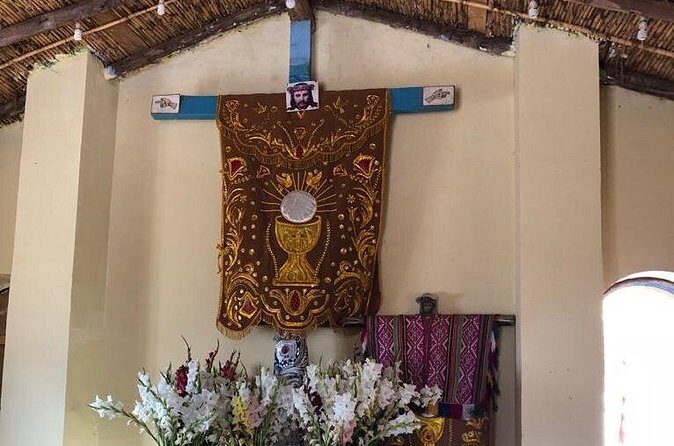
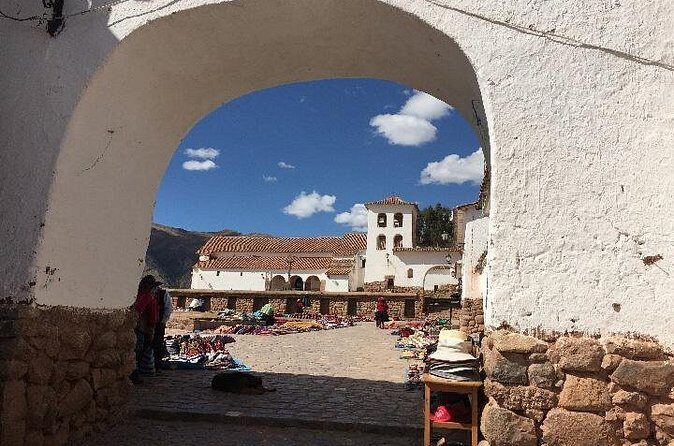
Chinchero is where the day turns from big-picture ruins into everyday culture you can touch. You’ll visit the Iglesia Colonial de Chinchero, noted for being an adobe church—one of those places that looks simple until you zoom in and realize what’s preserved.
From there, you move into market time. This isn’t just a quick walk-through. You’re set up to browse stalls for colorful textiles and traditional handicrafts, which is a major reason people like this stop so much. In particular, the Chinchero textile element is hands-on in how the experience is framed: you’ll learn how alpaca and vicuna yarn is dyed and woven into garments.
If you’re shopping, you’ll get the chance to look carefully at materials and craft processes rather than buying the first thing you see from a distance. That makes a difference. Textiles can be a “sounds cool, then I buy a random scarf” situation in some places. Here, the pacing gives you time to ask questions about what you’re actually seeing.
Shop-smart tip: if textiles are your priority, go in with a short list of what you want (for example: scarf size, whether you want alpaca or vicuna blends, and colors you’ll actually wear). Market time flies when you’re learning.
A minor consideration: the church and market stops are part of a full-day schedule, so if you hate shopping, you may still need to tolerate at least some browsing time. On the other hand, the market here tends to be more connected to the day’s larger theme—Inca-era craft knowledge, adapted over time.
Moray’s circular terraces: the Inca farming laboratory you can’t unsee
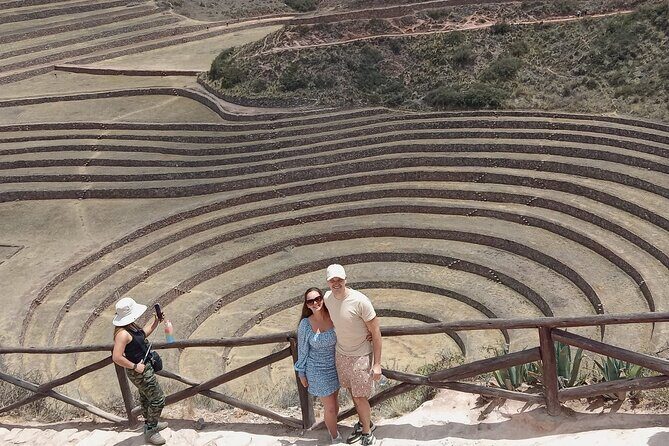
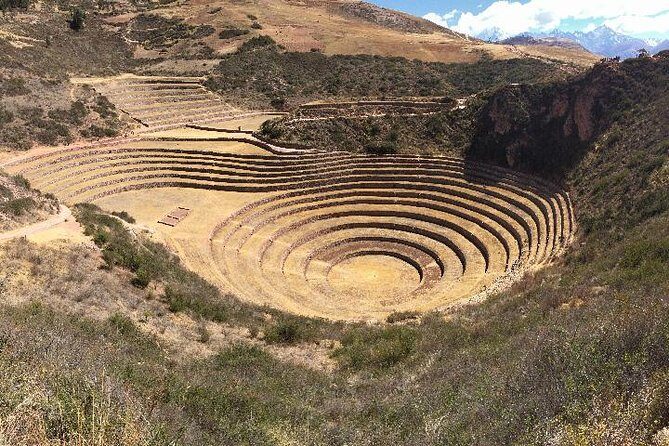
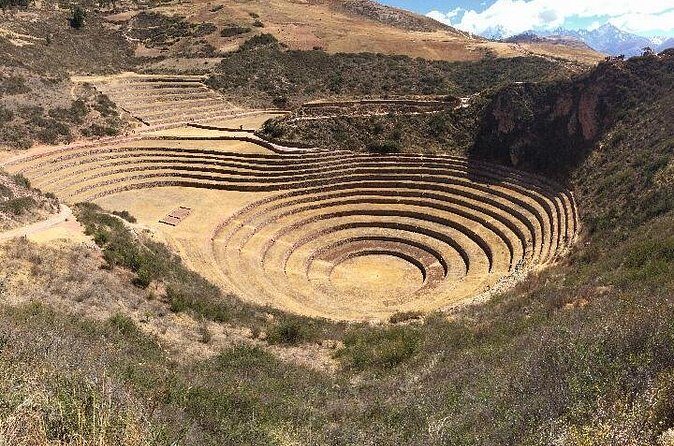
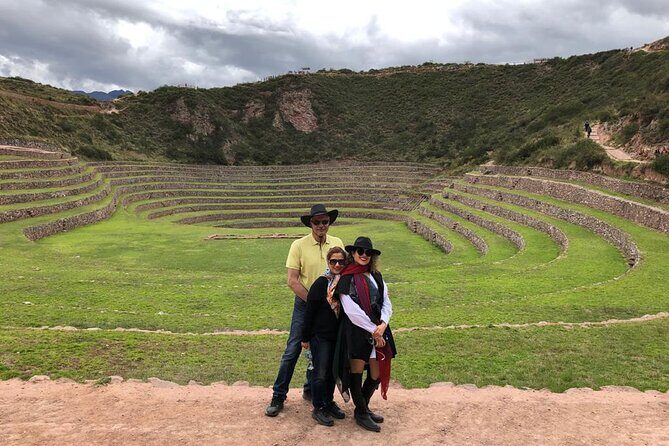
Moray is the site people talk about when they want to show you something truly different. You’ll see the circular terraces up close and learn how they were used as an agricultural research station.
The key idea is altitude. The terraces resemble a grass-covered amphitheater, and your guide explains how the Incas used the design to experiment with growing crops at different altitudes. That’s the kind of explanation that changes how you look at the ruins. Instead of thinking of stone as decoration, you start thinking of it as a tool—a structured way to test and refine cultivation.
Even if you’ve read about the Incas before, Moray often lands as a visual lesson. The circular layout and the amphitheater feel make the “why this shape?” question easy to answer once you hear the altitude-and-experiment story.
What to watch for on-site: look for how the terrace levels relate to one another, then listen to how your guide ties that to agricultural experimentation. It’s not just scenic. It’s also a smart example of engineering.
A balanced note: Moray is one of those “worth it if you’re curious” stops. If you only want photo moments with minimal explanation, you might feel you could rush it. But if you like learning why a place exists—this is where the tour can feel especially rewarding.
Salinas de Maras salt mines: terraced pools and real harvesting
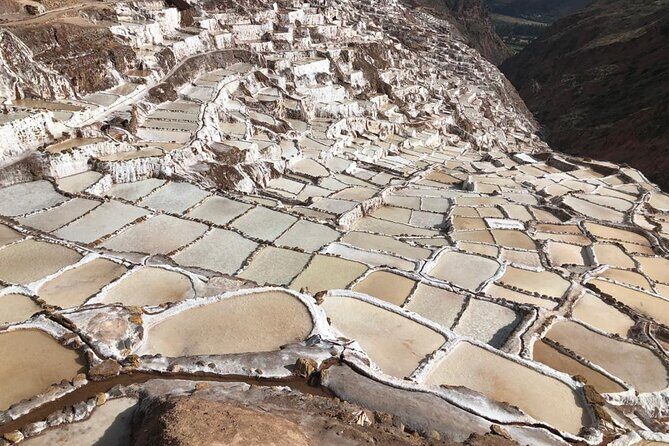
The Maras Salt Mines (Salinas) are the finale that makes the day feel complete. These are ancient, hand-built terraced “pools” where salt water is evaporated in the sun, allowing salt to be harvested.
What makes the salt mines special is the visual pattern. Thousands of small pool compartments create a patchwork look that feels almost unreal. And because the system is based on evaporation, it’s a living process—not just ruins behind a fence.
One of the most memorable elements from the reviews: people described being able to see someone harvesting salt, and even buying salt during the visit. That turns it from a museum-style stop into something more practical and immediate.
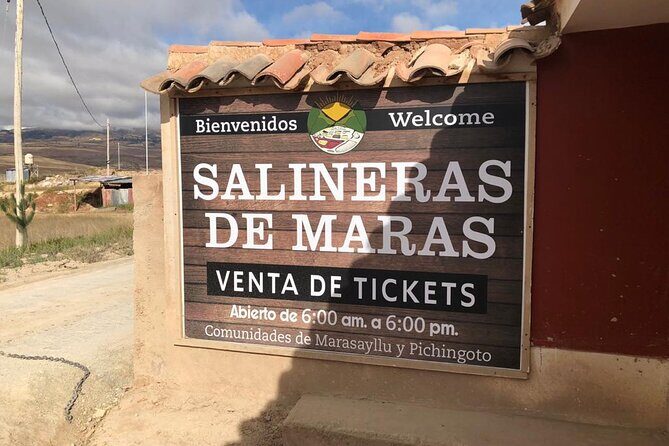
There’s also a practical detail to consider: admission fees apply on-site for archaeological access. The tour description lists a small PEN 0.70 per person charge for the sites (payable in soles on site). Plan cash for that. Also remember that meals aren’t included, so you may want to plan for snacks or water independently.
A seasonal thought from one review: rain can affect how the mines look, with a suggestion that seeing the pools very white is best when conditions are less wet. You can’t control the weather, but it’s useful context. If you’re chasing the crispest salt-pool look, timing matters.
Guides who set the tone: English, explanations, and chicha moments
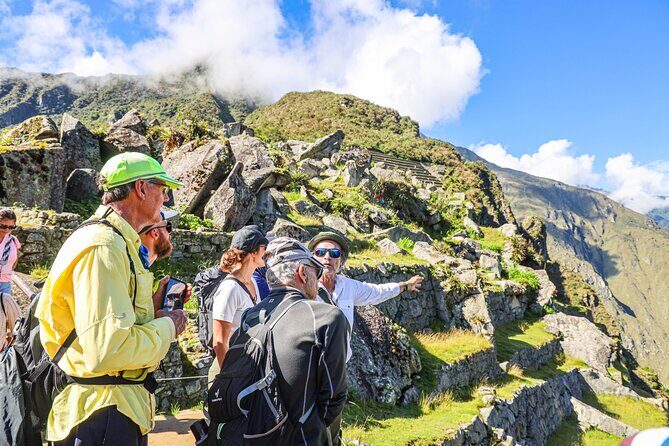
This tour lives or dies by the guide experience—and the feedback on that front is strong. Several guides were named in reviews: Danny, José Luis, and Juan Aguirre. The pattern is consistent: clear explanations in strong English, plus a friendly, patient approach.
I especially like the way guides are described as connecting facts to real places. People said the guides clarified Inca history and explained each stop in detail. That means you don’t just walk around; you understand what you’re seeing and why it mattered.
Another small but fun detail: one review specifically noted that the guide wanted them to try chicha. Even if you’re not sure you’ll love it, it’s the kind of cultural nudge that makes a day feel more grounded than “tour-bus sightseeing.”
If you’re practicing Spanish, this is also the type of tour that can help. One review mentioned the guide was patient while practicing. That’s a rare kind of comfort in a structured day trip.
And since the tour is private, you’re not stuck with a one-size-fits-all script. If you ask for more time at the market, you can usually steer the emphasis. If you want more architecture and agriculture talk, the guide can keep the focus there.
You can also read our reviews of more tours and experiences in Cusco




Price and value: is $130 a fair deal for this full-day mix?
At $130 per person for an approximately 8-hour private day tour, the value mostly comes from three things: time, logistics, and guide quality.
First, you’re not spending your morning figuring out transit. Hotel pickup and drop-off in Cusco reduce friction. Second, you’re getting multiple major stops in one outing—Chinchero, Moray, and the Maras Salt Mines—so the guide’s time is used efficiently rather than driving you around for long stretches with nothing to show.
Third, you’re paying for a private professional guide and a private vehicle. That typically means better pacing and more ability to ask questions. The reviews repeatedly mention comfort and ease, which aligns with that promise.
What keeps the price from feeling “too good to be true” is that you still need to budget for meals and the small on-site admission fee for archaeological access (paid in soles). But that’s normal for this kind of day in the Sacred Valley.
If you’re traveling as a couple or just two people, note there’s a minimum of 2 per booking. If you’re a solo traveler, you may need to check whether this format works for your situation.
Practical itinerary flow: what each hour feels like
The exact order can vary depending on routing, but your day follows the same theme: start in the Chinchero area, move into Moray for the Inca agriculture story, then end at the salt mines for the evaporation-and-harvest experience.
- Morning start with pickup: you’re picked up in Cusco and ride out toward the Sacred Valley.
- Chinchero church and market area: you’ll see the colonial adobe church, then get market time tied to textiles and crafts.
- Moray’s circular terraces: you’ll focus on the agricultural research idea and take photos with explanation.
- Maras Salt Mines: you’ll walk among the terraced salt pools and learn the harvesting process, with a chance to see salt being collected.
- Return to Cusco: drop-off back at your hotel ends the day.
It’s a lot packed into one day, so the tour works best when you want variety. You’ll switch from stone terraces to working salt pools to craft markets. If your travel style is “sit still, read signs, and take one or two long walks,” this tour’s busy pace may feel like a blur. If your style is “I want to see the main Sacred Valley offshoots in a single day,” it’s a solid match.
Should you book this Chinchero–Moray–Maras day tour?
Book it if:
- You want a private, English-guided day that covers the Sacred Valley cornerstones beyond just Machu Picchu.
- Textiles and craft culture are on your interest list, not an afterthought.
- You like explanations that connect engineering, altitude, and everyday food production—Moray is strong for that.
- You enjoy cultural moments like market browsing and food sampling (chicha came up in the feedback).
Skip it if:
- You hate markets or shopping enough that you’d rather do a ruins-only day.
- You want a relaxed day with fewer stops. This one is full-day by design.
- You’d rather avoid any extra on-site costs. You’ll pay archaeological admissions in soles when you arrive, and meals aren’t included.
If you’re trying to build one great Sacred Valley day from Cusco, this is one of the more coherent combinations. It doesn’t just toss you between photo points. It gives you context—then you get to see two places where people were (and still are) working with the land.
FAQ
How long is the tour from Cusco?
It runs for about 8 hours.
What’s included in the price?
The tour includes hotel pickup and drop-off, a private professional guide, and private transportation, plus a mobile ticket.
Are entrance fees included?
No. Entrance fees for the archaeological sites are paid on-site in soles (the listing notes PEN 0.70 per person), not US dollars.
What language is the guide?
The tour is offered in English, and it’s operated by a local guide with perfect English.
Is this a private tour?
Yes. It’s a private tour, so only your group participates, and it can be customized to your interests.
Is it suitable for most travelers?
Most travelers can participate.