REVIEW · CUSCO
Machu Picchu Day Trip With Panoramic Train from Cusco
Book on Viator →Operated by FLY CUSCO Perú Travel Agency · Bookable on Viator
Machu Picchu, minus the stress. This day trip is built around door-to-door pickup and a panoramic train ride that turns the long route into part of the fun. You trade a lot of free time for a very clear plan: train to Aguas Calientes, bus up to the citadel, then guided time at Machu Picchu.
Two things I really like: the way the trip handles transport start to finish, and the fact you get a certified local guide for about 2.5 to 3 hours at Machu Picchu’s main sights. One drawback to keep in mind: it’s a nonstop schedule, and in at least one account of severe illness (altitude sickness and food poisoning), there wasn’t obvious medical contingency or a way to slow things down safely.
In This Review
- Key things to know before you go
- From Cusco to Aguas Calientes: how the day actually flows
- What this means for your trip style
- The panoramic train: why Vistadome matters (and what to watch for)
- Fashion-show add-on: fun, optional energy
- Train comfort tips I’d follow
- Aguas Calientes: the brief town stop that keeps things moving
- A real-life caution (that you can act on)
- Machu Picchu with a certified guide: what you should expect to feel
- Why the guided format is worth the trade
- Photo reality check
- Pickup, group size, and door-to-door comfort
- The “you’ll be on time or else” factor
- Price and value: what $379 buys you
- Where the value can feel uneven
- Altitude and your stomach: the two risks to plan for
- What to wear and pack for this day
- My “do this, not that” for a safer day
- Who should book this Machu Picchu day trip—and who should rethink it
- Should you book this Machu Picchu day trip from Cusco?
- FAQ
- What’s the duration of this Machu Picchu day trip?
- Do they pick you up from your hotel in Cusco?
- Is the Machu Picchu entrance ticket included?
- How does the train work on this trip?
- How long is the guided tour at Machu Picchu?
- What information do I need for the Machu Picchu entry?
- Are meals included, and should I budget for tips?
Key things to know before you go
- Door-to-door pickup in Cusco city center and parts of the Sacred Valley saves you from early taxi math.
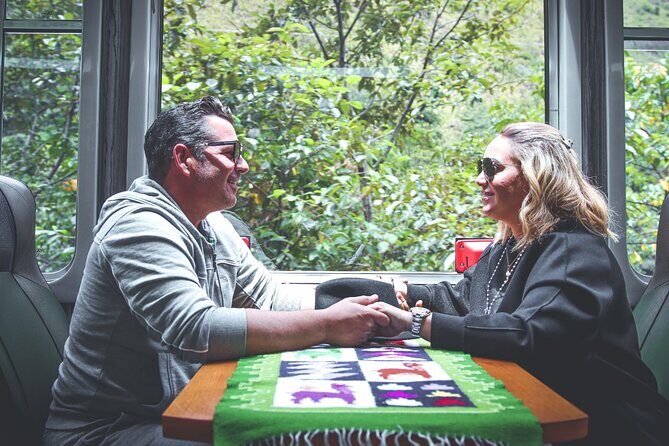
- Vistadome-style panoramas mean you’ll spend more time looking out than staring at your phone.
- Machu Picchu is guided (about 2.5–3 hours), so you’re not stuck guessing what you’re seeing.
- Aguas Calientes is your staging point: bus to Machu Picchu goes through there both ways.
- Group size stays small with a maximum of 15 travelers, which helps with pacing.
From Cusco to Aguas Calientes: how the day actually flows
This is a true day trip, so it runs like one. Your morning starts with early pickup from your place in Cusco or nearby areas in the Sacred Valley (including Urubamba and Ollantaytambo). You’ll transfer toward the train station in Ollantaytambo, then head to Aguas Calientes on a panoramic train.
Expect a mix of transit and waiting. That’s not a complaint; it’s the reality of Machu Picchu. What’s valuable here is that your ground moves are handled for you, so you’re not piecing together timing, tickets, and rides while dealing with altitude from the start.
Then you hit Aguas Calientes, where staff help you board the bus that climbs to Machu Picchu. That bus ride is part viewpoint, part workout. The winding road gives you dramatic views of the Urubamba River and canyon as you gain elevation.
By the time you’re back in Aguas Calientes after the visit, you’ll have time to eat lunch on your own, before boarding the train back toward Ollantaytambo. The tour aims to bring you back to Cusco around 19:30.
You can also read our reviews of more tours and experiences in Cusco



What this means for your trip style
If you like structure—big sights, clear timing, fewer decisions—that’s where this works. If you like wandering slowly or you want lots of downtime to recover, you’ll feel the pace. For a lot of people, that’s still worth it. Machu Picchu in a day is usually the best move when you only have one shot.
The panoramic train: why Vistadome matters (and what to watch for)
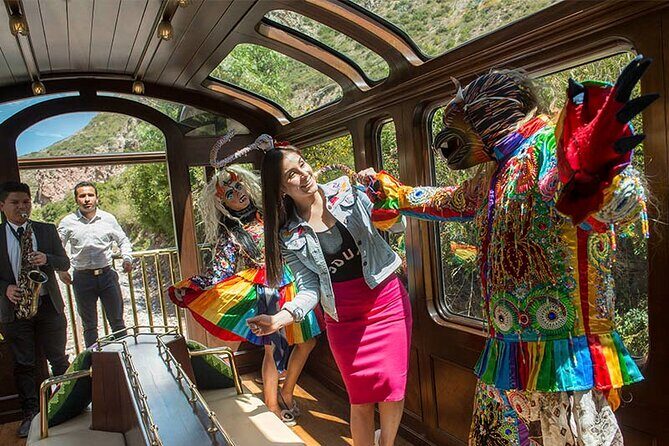
The most “romantic” part of this itinerary is the panoramic train segment. Instead of sitting in a regular car, the design is meant to keep you looking out at the scenery—large windows, and views that feel more continuous than typical train travel.
That matters because you’re not just commuting. You’re moving through the Sacred Valley region, and the route’s slow turns make it easier to appreciate how the river and valley shapes the landscape.
One practical detail: on some services, you might sit in a way that feels different than you expect. In one reported experience, the passenger described sitting facing backwards on the train to Aguas Calientes. It wasn’t framed as a dealbreaker, but it’s a reminder to bring motion-sensitivity solutions if you need them (ginger, medication you already trust, and so on).
Fashion-show add-on: fun, optional energy
The tour description includes a note about a possible onboard fashion show with baby alpaca clothing, depending on the train option you choose. If that happens, you’ll see a segment and may be offered items to buy. It’s not essential to the day. It’s more like a cultural-yet-commercial extra you can ignore if you want.
Train comfort tips I’d follow
- Bring a thin layer. Trains can swing cooler than you expect.
- Sun matters. Sunglasses help even if it’s partly cloudy.
- If you’re prone to nausea, plan ahead. You can’t control the seat orientation, and you’ll also be on a bus later.




Aguas Calientes: the brief town stop that keeps things moving
Aguas Calientes is where logistics become reality. The train drops you off there, then staff assist with bus boarding for the climb up to Machu Picchu.
This is also the point where your expectations should adjust. Aguas Calientes isn’t the destination you came for; it’s the staging area that makes Machu Picchu possible. That’s why you get less time to roam than you might wish.
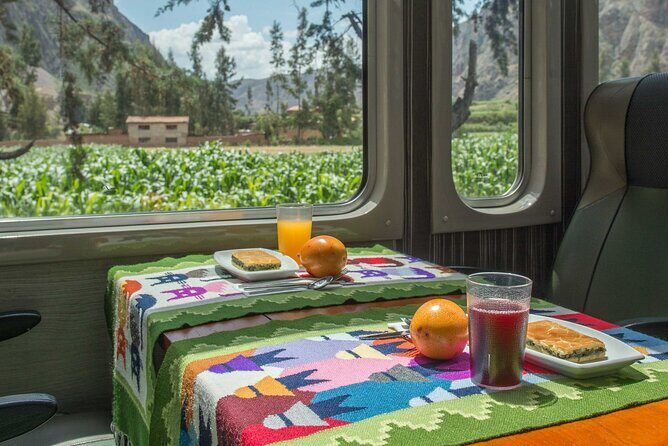
You’ll likely have a short window for lunch after your guided Machu Picchu time, before the return train. Since meals aren’t included, you’ll be deciding where to eat. That choice sounds simple until your stomach and altitude are involved.
A real-life caution (that you can act on)
In one account, the guest linked their illness to something eaten at a small cafe in Aguas Calientes. I’m not going to scare you away from trying local food—but I do recommend a smart approach:
- If you’re sensitive, lean toward simpler options you trust.
- Avoid experimenting with very unfamiliar items.
- Carry your own water and any stomach remedies you normally rely on.
Machu Picchu is a once-in-a-lifetime day for most people. The last thing you want is to spend it sitting and waiting because your body isn’t cooperating.
Machu Picchu with a certified guide: what you should expect to feel
Machu Picchu itself is the big event, obviously. But the way this tour treats the visit is what makes it work.
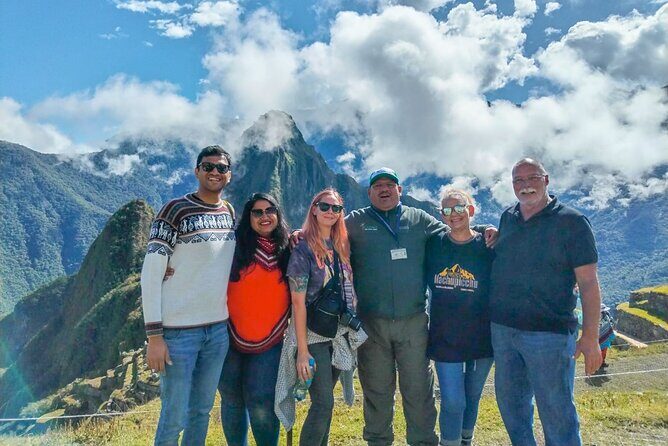
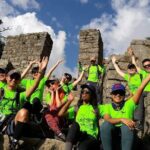
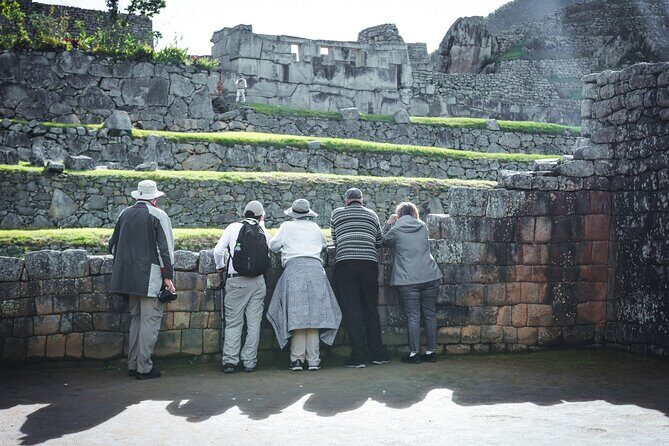
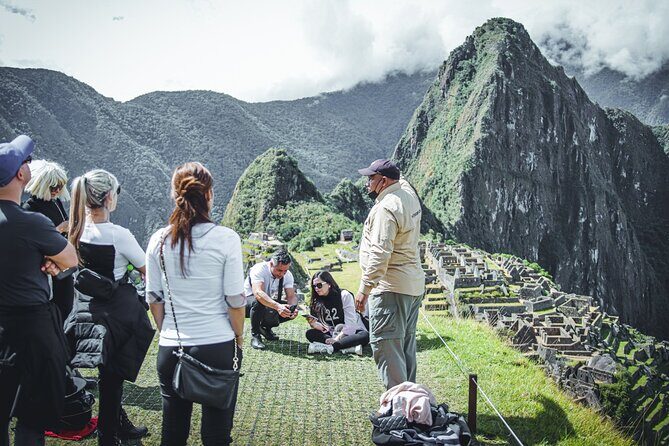
You’ll arrive and then get a guided tour lasting about 2.5 to 3 hours. The guide is a certified local expert speaking English, Spanish, or Portuguese. That language option matters if you want to understand what you’re looking at instead of guessing.
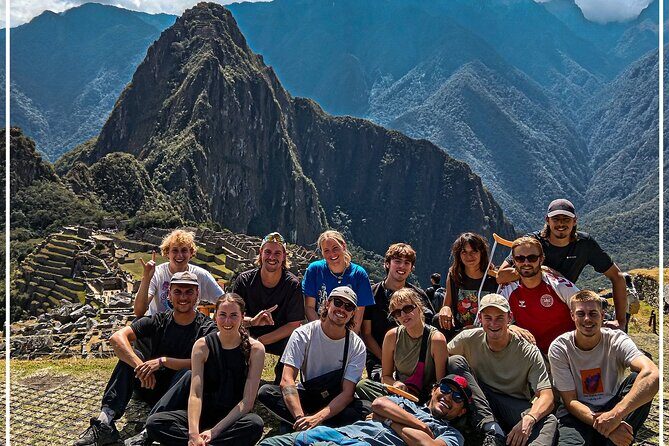
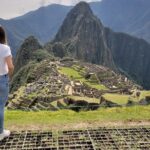
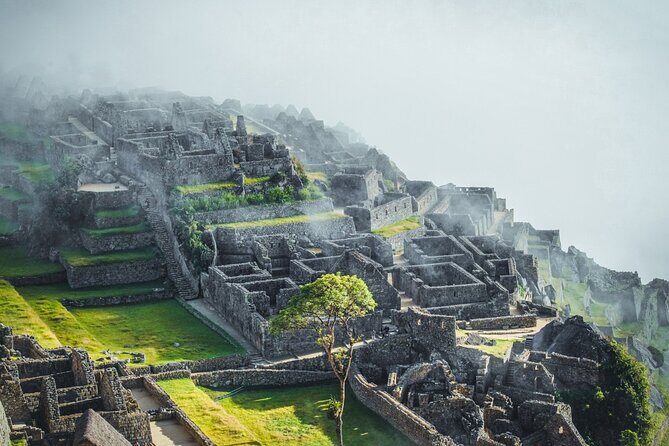
The guide’s job is to take you through the main parts of the citadel and explain the site. In a reported experience, the guide (named Judy) helped the group get to a first photo spot and then kept the pacing moving so visitors could see highlights without feeling lost.
Why the guided format is worth the trade
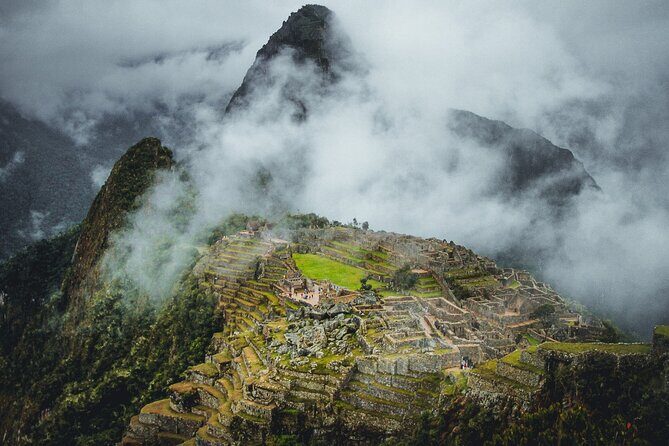
If you go without a guide, you can still have a great time. But with a guided group, you spend less energy figuring out what matters and more energy actually soaking in the details. The “main places” visit structure is also helpful for first-timers, because Machu Picchu is dramatic and confusing at the same time—paths, terraces, angles, viewpoints.
Photo reality check
You’ll have photo time, but it’s not infinite. The schedule is designed to protect the day’s flow. If you know you want sunrise photos or super-specific viewpoints, this is a day-trip style that prioritizes seeing the core highlights efficiently.
Bring a small day bag, keep it secure, and don’t plan to do a full solo marathon across every corner.
Pickup, group size, and door-to-door comfort
This tour keeps the group to a maximum of 15 travelers. That size is big enough for organization but small enough that it doesn’t feel like a cattle chute.
You also get door-to-door service in the historic city center of Cusco and nearby areas like the Sacred Valley, Urubamba, and Ollantaytambo. That reduces stress on the most chaotic part of the trip: the early pickup.
In one account, the driver named Nacho was described as professional, safe, on time, and patient—literally waiting in Ollantaytambo. That’s not a small thing. When you’re traveling in a foreign country with tight timing, a calm driver can prevent a lot of day-trip damage.
The “you’ll be on time or else” factor
Because the day is packed, you’ll want to be ready fast after pickup. If you’re late, you don’t just risk missing your train; you risk impacting the group schedule. You’ll feel that pressure.
If you’re the type who likes a slow morning and extra coffee time, set an alarm early and aim to be ready before pickup.
Price and value: what $379 buys you
At $379 per person for roughly 12 hours, this isn’t a budget excursion. But it also isn’t just a ticket to Machu Picchu. You’re paying for a bundle of things that are often painful to assemble on your own:
- Entrance ticket to Machu Picchu included
- Bus ticket up and down (Aguas Calientes ↔ Machu Picchu) included
- Panoramic train ticket between Ollantaytambo and Aguas Calientes, and back
- Roundtrip ground transport and pickup/drop-off from your accommodation in the Cusco area
- A bottle of water included
When you price that out yourself—train seats, the bus segment, the entrance ticket, plus the time cost of figuring out timing—this starts to look more reasonable. The real question isn’t just the dollar amount. It’s whether you want someone else to handle the machinery of the day.
Where the value can feel uneven
If you’re healthy and acclimated, this type of organized day trip can feel like a great deal for what it accomplishes. If you end up dealing with stomach issues or altitude stress, the day becomes harder—because the schedule doesn’t bend easily, and contingency support isn’t described as a major feature.
So the value depends on how resilient you are at altitude and how careful you are with food.
Altitude and your stomach: the two risks to plan for
You’re going from Cusco region elevation to the heights around Machu Picchu in one day. Even people who handle altitude well can feel it.
Also, you’re eating in places you may not know well, on a tight schedule. Meals aren’t included, which means you’re making choices quickly in Aguas Calientes.
What to wear and pack for this day
Use the outfit guidance provided and add a bit of practical sense:
- sunglasses and a hat
- comfortable shoes with grip
- sunscreen/blocker (and reapply if you’re out in sun)
- mosquito repellent
- a jacket (mountain weather shifts fast)
- a small backpack with enough for the overnight stay if needed (the tour notes staying overnight generally, but for this day trip you’ll still want essentials)
The key is layers. You’ll likely alternate between sun and cooler air, plus train and bus time that can feel chilly.
My “do this, not that” for a safer day
- Don’t go wild on unfamiliar breakfast choices in the morning.
- Hydrate. Even if you don’t feel thirsty, keep sipping water.
- If you’re prone to altitude sickness, consider a plan that you personally trust. This tour provides water, not medical gear.
In one strongly negative account, the guest described severe illness and felt the operation lacked contingency and medical support. That’s the kind of situation you can’t control, but you can reduce risk by being conservative with food and ready with altitude planning.
Who should book this Machu Picchu day trip—and who should rethink it
This tour makes the most sense if:
- you only have one day and want Machu Picchu highlights without logistics stress
- you enjoy scenic transit and want the panoramic train portion as part of the experience
- you want a guided visit so you understand what you’re seeing
- you’re comfortable with long but well-organized days
It might be a weaker fit if:
- you strongly dislike tight schedules
- you have significant mobility constraints (not discussed in the provided details, so you should ask questions before booking)
- you’re extremely sensitive to altitude or stomach changes and can’t slow down if you feel unwell
- you need lots of free time for your own exploring
That doesn’t mean you can’t go. It means you should go in with eyes open and a conservative plan.
Should you book this Machu Picchu day trip from Cusco?
If you want the best shot at seeing Machu Picchu with minimal hassle, this is a solid option. The big pluses are clear: door-to-door pickup, panoramic train travel to and from Aguas Calientes, and a guided citadel visit with expert explanations.
I’d book it if you’re generally healthy, you’re careful with food, and you’re okay with a full-day schedule where the plan runs on time. I’d think twice if you know you tend to get sick easily, or if altitude tends to hit you hard—because this format doesn’t read like a slow, flexible experience with built-in medical contingency.
One more thing: plan ahead. It’s commonly booked about 61 days in advance, and popular dates can sell out. If your travel window is fixed, don’t wait for motivation—lock in the seats and permissions.
FAQ
What’s the duration of this Machu Picchu day trip?
It runs for about 12 hours (approx.), with an estimated return to Cusco around 19:30.
Do they pick you up from your hotel in Cusco?
Yes. Free pickup is offered from hotels, houses, and apartments within the historic city center of Cusco, plus areas in the Sacred Valley, Urubamba, and Ollantaytambo.
Is the Machu Picchu entrance ticket included?
Yes. The Machu Picchu entrance ticket is included, along with the bus tickets up and down between Aguas Calientes and Machu Picchu.
How does the train work on this trip?
You use a panoramic train route between Ollantaytambo and Aguas Calientes, and then back again. The tour description specifically includes that roundtrip panoramic train ticket.
How long is the guided tour at Machu Picchu?
You’ll have a guided tour of about 2.5 to 3 hours at Machu Picchu.
What information do I need for the Machu Picchu entry?
The Machu Picchu authority requests your full name, passport number, date of birth, and nationality exactly as shown on your passport.
Are meals included, and should I budget for tips?
Meals are not included. Lunch time is available in Aguas Calientes, and tips are optional. A bottle of water is included.
If you tell me your travel dates and whether you’ll be staying in Cusco or the Sacred Valley, I can help you sanity-check timing and what to prioritize so the day feels smooth.