REVIEW · CUSCO
Camelid Center Visit in Cusco: Alpacas, Culture & Weaving
Book on GetYourGuide →Operated by CuscoWalks · Bookable on GetYourGuide
Alpacas and culture in one tidy visit. This Camelids Center outing outside Cusco lets you meet four native species and learn the basics of telling them apart, then follow the story of Andean weaving from wool to finished textile. I especially like the close-up animal encounters (feeding and calm, photo-ready moments) and the weaving lesson with natural dyes and traditional methods. One possible drawback: it’s only about 2 hours, and snacks aren’t included, so plan around that if you get hungry fast.
Pick-up is handled from Cusco, and you’ll ride to the center in a car with your guide Waldo. There’s also a short Huayllarcocha stop for photos and a bit of walking, so you get views and context before you meet the animals. The tour is set up as a small private group, which makes questions easy and keeps the pace relaxed.
After the camelids and weaving demonstrations, you can browse the artisan shop for handmade alpaca wool items like scarves, sweaters, and ponchos. It’s a simple mix of nature + culture + shopping, and that combination is a big reason it works well for all ages.
In This Review
- Key things to know before you go
- Why this 2-hour Camelid Center visit fits Cusco so well
- Huayllarcocha photo stop: a quick taste of the region
- Meeting the four native camelids: not just cute animals
- Andean weaving lesson: where the culture clicks
- The artisan store: how to shop for real alpaca wool
- Price and value: $25 for a short, structured experience
- Who should book this Camelid Center visit?
- Should you book the Camelid Center visit outside Cusco?
- FAQ
- What camelids will I see at the center?
- Is weaving part of the visit?
- Do I get time to take photos and feed the animals?
- Is pickup from Cusco included?
- How long is the tour, and what’s the basic cost?
- Are snacks included?
Key things to know before you go
- Four camelids in one visit: llamas, alpacas, vicuñas, and huanacos, all together so you can compare traits.
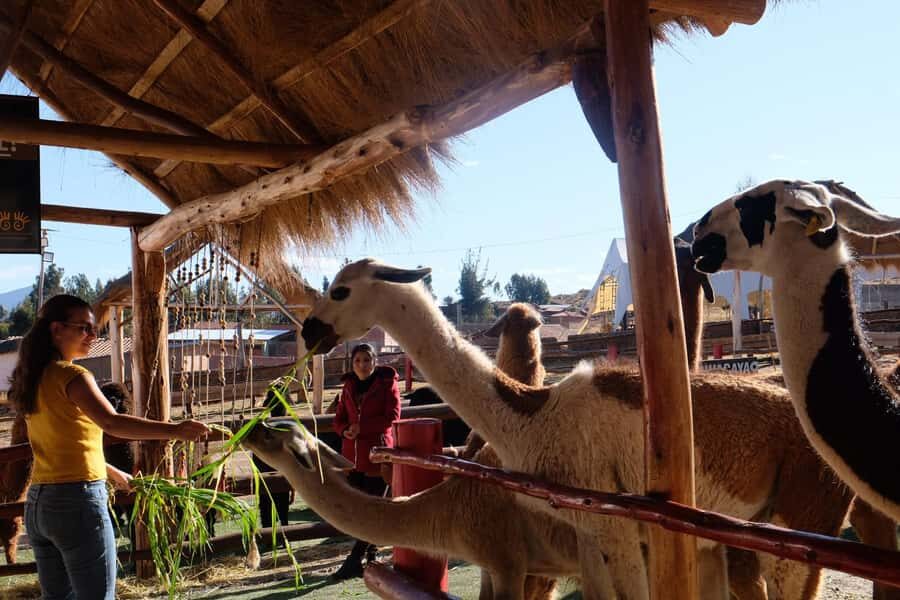
- Photo-friendly time with the animals: close encounters, plus time for feeding and pictures.
- Weaving taught by working artisans: traditional tools, natural dyes, and techniques passed down through generations.
- A real textile store: you’ll have time to look for authentic, handmade alpaca-wool products.
- Private, guided, English-led (plus Spanish/French): your guide helps connect what you see to Andean life.
Why this 2-hour Camelid Center visit fits Cusco so well
Cusco is busy. Ruins, churches, high-altitude acclimatization, and a lot of walking can stack up quickly. This is the kind of outing that gives your body a break while still delivering something memorable. In about 2 hours, you get animals, learning, and a chance to buy something you’ll actually use.
The value here is in the pacing and the mix. You’re not just stopping for photos with alpacas and calling it a day. You meet the full set of four native camelids (llamas, alpacas, vicuñas, huanacos), so the guide can help you notice differences instead of leaving you with a vague all-animals-look-alike feeling. Then you shift from animal life to textile craft, which is a core part of Andean culture and not just a souvenir-related side quest.
You’ll also appreciate the private-group format. Even with a short duration, the guide can slow down if you’re curious, or speed up if you’re more of a see-it-move-on person. That matters because the center experience is hands-on—feeding, close viewing, questions—and you want the time to actually mean something.
One practical note: snacks aren’t included. If you’re visiting between longer Cusco activities, you may want to eat before you go so you’re not stuck thinking about food while you’re trying to focus on the weaving demo.
You can also read our reviews of more tours and experiences in Cusco.


Huayllarcocha photo stop: a quick taste of the region
Before you reach the camelids, there’s a short stop at Huayllarcocha for a photo break and guided time. This is one of those moments that’s easy to skip in your mind, but it helps you get oriented. Cusco altitude can make everything feel a little dramatic—this photo stop helps ground you in the setting before you zoom into the animals.
Expect a bit of walking, plus guidance on what you’re looking at. The goal isn’t to tour the whole area; it’s to set the stage. Once you get to the center, the mountain views and the open-air feel make more sense because you already understand where you are.
If you’re the kind of person who likes to plan photo timings, this stop is helpful. You can grab a few images with you, your group, and the surroundings before you’re busy with animal feeding and up-close encounters. It also gives you a short buffer—useful if Cusco traffic timing or pick-up timing makes you arrive slightly behind schedule.
Meeting the four native camelids: not just cute animals
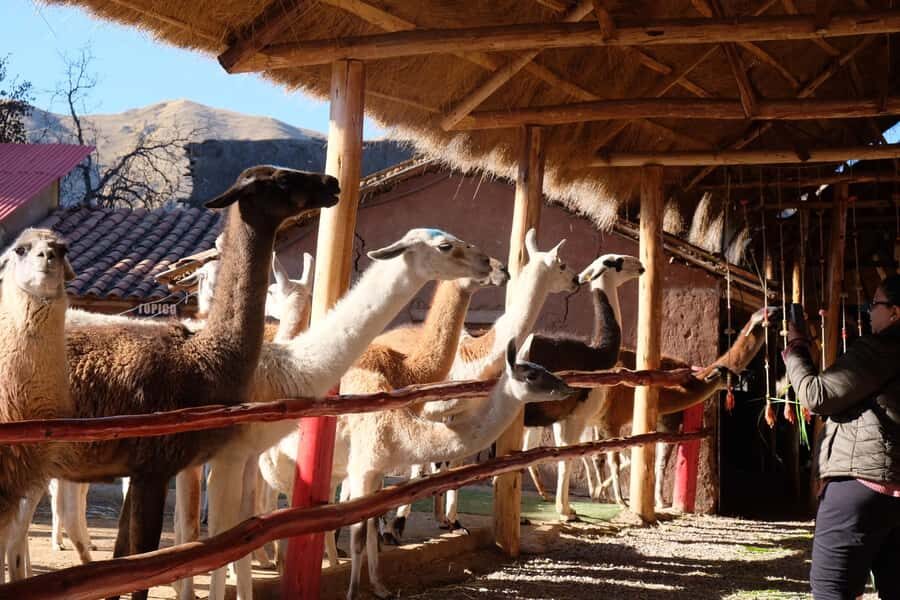
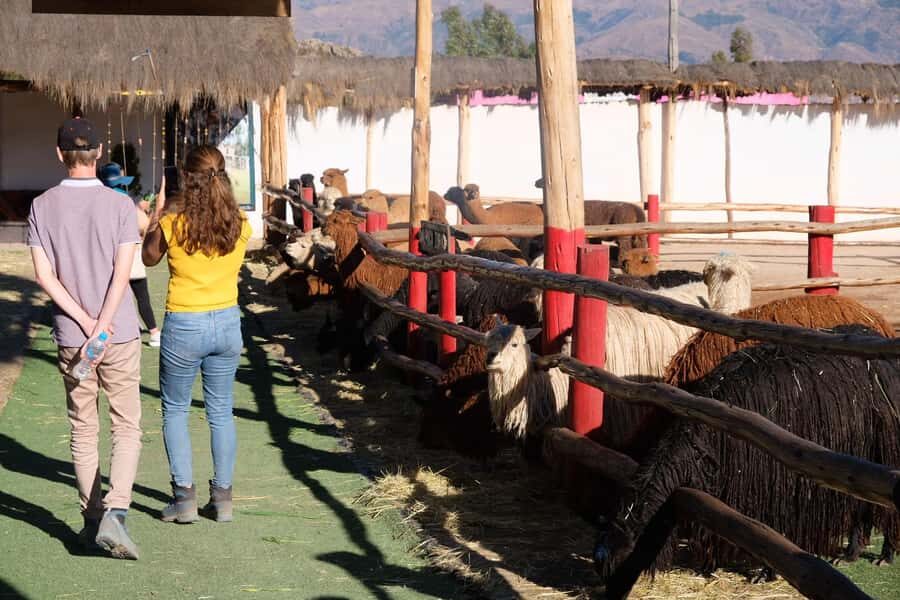
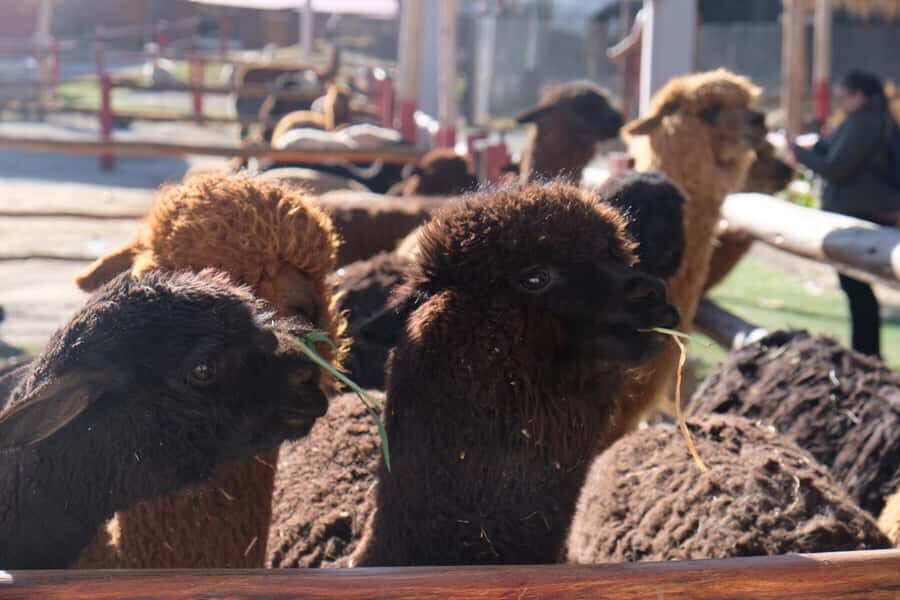
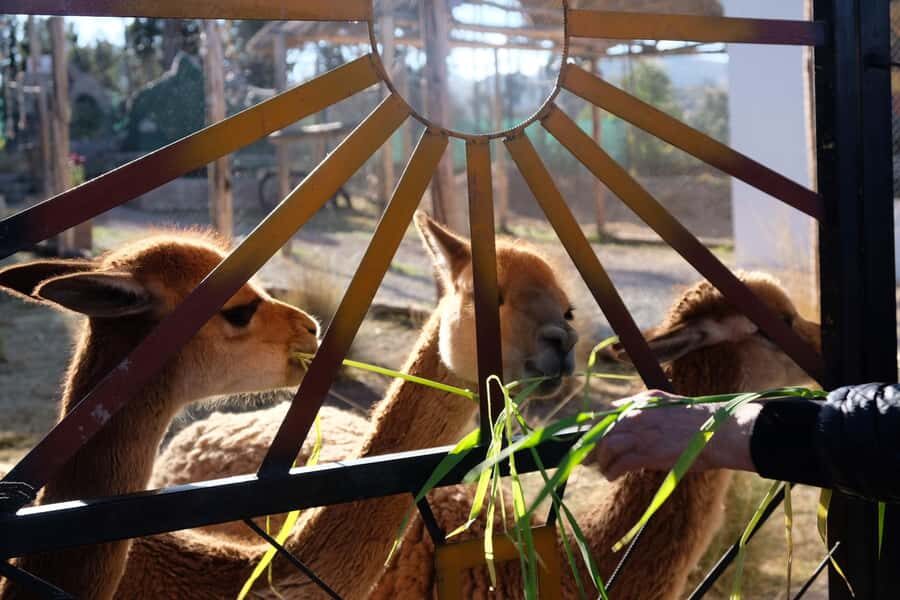
This is the star of the show. You get close to four species—llamas, alpacas, vicuñas, and huanacos—and you’ll be guided on how to tell them apart. That sounds simple, but it changes the whole experience. Without guidance, you’d mostly notice color and fluff. With a good guide, you start picking up differences in build, behavior, and how each animal relates to its environment and local traditions.
You’ll also get time for feeding and photos. Feeding is often where these tours either feel respectful and calm or feel chaotic and commercial. The best version—what you’re aiming for here—is the calm kind: you’re guided through the right approach and the animals stay comfortable enough for you to focus on learning, not panicking about whether you’re doing it right.
Also, alpacas and llamas are common enough in Cusco area that you might think you already know what to expect. The added value is seeing all four in one setting. When vicuñas and huanacos are part of the same visit, you start understanding the broader camelid story in the Andes—why people value these animals and how wool and fiber matter in daily life.
From a traveler’s perspective, this part is especially good if you’re:
- traveling with kids who need an interactive moment
- an animal lover who likes learning, not just watching
- someone who wants a short activity that still feels “real,” with a living connection to Andean land and work
Andean weaving lesson: where the culture clicks
After the camelids, the tour shifts to traditional weaving. This is where the experience stops being only about animals and becomes about craft knowledge—how Andean communities turn fiber into textiles using tools and methods developed over generations.
What makes this section valuable is the focus on process. You’re shown traditional weaving techniques and how natural dyes are used. When you see natural dyes in context, you start to understand why Andean textiles have such depth of tone, and why many patterns and color choices aren’t just decorative. They’re part of a working system tied to materials, seasons, and local knowledge.
You’ll also meet skilled local artisans in the role of teachers. Even if you don’t remember every detail, you’ll leave with the feeling that weaving isn’t just a craft that happens to make pretty items—it’s a skill set, with practical steps, and a cultural identity.
Pay attention to what the guide points out: how the fiber behaves, how dyes change the color outcome, and why certain methods are used instead of shortcuts. That’s the difference between watching a show and learning a craft logic.
For anyone who’s visited larger craft markets, this weaving stop can feel more satisfying because it’s instruction-based. You’re not only shopping; you’re understanding what you’re shopping for.
The artisan store: how to shop for real alpaca wool
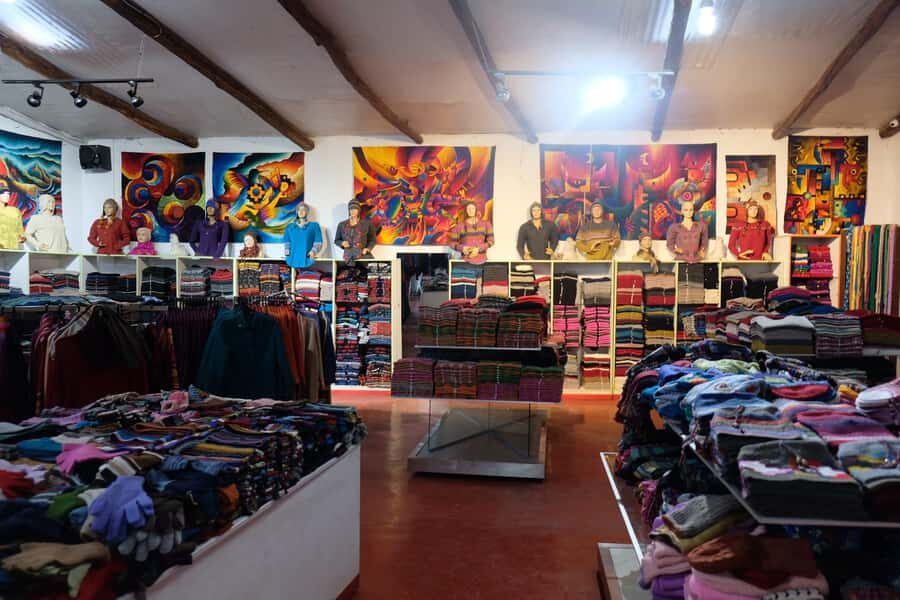
The store visit is the final payoff. You’ll have time to browse the center’s shop with authentic, handmade alpaca wool products—scarves, sweaters, ponchos, and more. This is the moment where your brain switches from “watch and learn” to “choose what to take home.”
A helpful mindset: treat the store as part of the lesson. If you paid attention to what the guide said about weaving and dyeing, you’ll be better at noticing quality and construction. You’ll also know what questions to ask, like what the item is made for (warmth, everyday wear, travel-friendly layering) and how it’s finished.
If you’re shopping as a gift buyer, this is a straightforward way to do it. You’re getting items that are tied to the fiber tradition you just witnessed. That makes it easier to feel confident you’re buying something with meaning, not just a mass-produced novelty.
If you’re not shopping, you’ll still benefit from the store time. Looking is part of understanding. It helps you connect the patterns you saw explained in the weaving portion to the objects you can actually hold.






Price and value: $25 for a short, structured experience
At $25 per person for about 2 hours, the pricing is pretty reasonable for Cusco. You’re paying for guided animal time, a weaving demonstration, included access to the artisan shop, and transportation. In places like this, the real cost drivers are staff time and logistics, and this tour includes both.
Here’s how I’d judge value:
- If you want a focused half-day that mixes animals + craft, the package saves you from planning two separate activities.
- If you enjoy learning enough to ask questions, the English-speaking guide adds real value, not just translation.
- If you shop for alpaca wool anyway, the store access turns that purchase into a knowledge-backed souvenir rather than an impulse buy.
One cost consideration: snacks aren’t included. That’s not a deal-breaker, but it can affect your comfort level, especially if you’re squeezing this between other sightseeing.
Who should book this Camelid Center visit?
This is an easy “yes” if you want a calmer Cusco day. It’s especially strong for:
- families and multigenerational groups (short duration, friendly animals, learning component)
- animal lovers who like being guided through differences between species
- anyone curious about Andean textiles and how natural dyes and traditional tools fit into daily life
- travelers who want a guided experience that ends with time to shop for handmade alpaca wool
It may feel less ideal if you:
- want a long, deep animal experience with no time pressure
- dislike the idea of ending at a store (even though browsing time is built in)
- are trying to fit in a full day of walking and ruins and need something that will stretch longer than 2 hours
Should you book the Camelid Center visit outside Cusco?
Book it if you want a small, well-structured experience that connects three things Cusco travelers often like: animals, culture, and tangible craft products. The strongest reason to go is that you don’t just meet alpacas—you meet llamas, alpacas, vicuñas, and huanacos, and you learn weaving afterward. That makes it more than a photo stop.
Also, you’ll likely enjoy it more with a flexible mindset. When the guide, Waldo, is in a good groove, he tends to keep the experience informative and not overly rushed, and he may add extra scenic moments around Cusco when time allows. If you like thoughtful, personable guidance, this one is a good match.
FAQ
What camelids will I see at the center?
You’ll meet the four native South American camelids: llamas, alpacas, vicuñas, and huanacos.
Is weaving part of the visit?
Yes. You’ll get a demonstration of traditional Andean weaving techniques, including how natural dyes and traditional tools are used, taught by local artisans.
Do I get time to take photos and feed the animals?
Yes. The visit includes time for photos and animal feeding, plus a guided interaction with the camelids.
Is pickup from Cusco included?
Yes. Pickup is included, and the guide will pick you up with a car to take you to the camelids center. The guide name is Waldo.
How long is the tour, and what’s the basic cost?
The tour lasts about 2 hours, and it costs $25 per person.
Are snacks included?
No. Snacks are not included, so it’s smart to plan a meal around the visit if you tend to get hungry.