REVIEW · CUSCO
4-Days Inca Trail Trek to Machu Picchu
Book on Viator →Operated by Conde Travel · Bookable on Viator
A fast bus ride and a slow breath later, you’re on the Inca Trail. This 4-day Inca Trail route mixes big views, Inca ruins, and real camp time before the payoff at Machu Picchu. I love how the tour handles the practical stuff for you—tents, meals, cook team, and porters—so you can focus on the walking and the scenery. I also like the pacing: early starts, yes, but a trail with breaks, lunch stops, and guided history at the right moments.
One drawback to plan around: it’s not a casual stroll. You’ll hike at higher altitude, including the 4200m climb at Warmiwañusca, and the early morning schedule can feel intense if you’re not used to trekking days.
In This Review
- 6 Key Things You’ll Notice on This 4-Day Inca Trail
- 4 Days From Km 82 to Machu Picchu: What You’re Really Paying For
- Day 1: Hotel Pickup, Km 82, Llactapata Views, and First Camp at Huayllabamba
- Day 1 pace reality check
- Day 2 Over Warmiwañusca (4200m): Puna to High Jungle and Camp in Pacaymayo Valley
- What to watch for on Day 2
- Day 3: Runkurakay and Sayacmarca Before Wiñay Huayna or Puyapatamarka
- Why this Wiñay Huayna detail matters
- Day 4: Inti Punku (Gate of the Sun) Into Machu Picchu, Then Down to Aguas Calientes and Cusco
- Day 4 reality check
- Porters, Chef, and a Guide Who Can Read the Trail
- Small groups can feel easier on a long trail
- Altitude, Stairs, and Fitness: How Hard Is Warmiwañusca Really?
- What I tell first-timers
- Price and Logistics: What’s Included at $880, and What Costs Extra
- Value check
- Potential Headaches: When Expectations and Policies Don’t Match
- Who Should Book This Inca Trail Trek?
- Should You Book the 4-Day Inca Trail to Machu Picchu?
- FAQ
- What time do you start in Cusco?
- Where does the trek begin?
- How long is the trek?
- Is Machu Picchu guided?
- Are meals included?
- Do you camp with tents and mattresses?
- Do porters carry your gear?
- Is Huayna Picchu included?
- What physical fitness level do you need?
- What should I pack?
6 Key Things You’ll Notice on This 4-Day Inca Trail
- Small-group feel (max 15): more room to breathe and keep your own pace than big trekking herds.
- Porters carry the heavy camp load: you handle a daypack; they handle camping equipment.
- Camping with real comforts: chairs, tables, dining tent, and tents for 2 with mattresses.
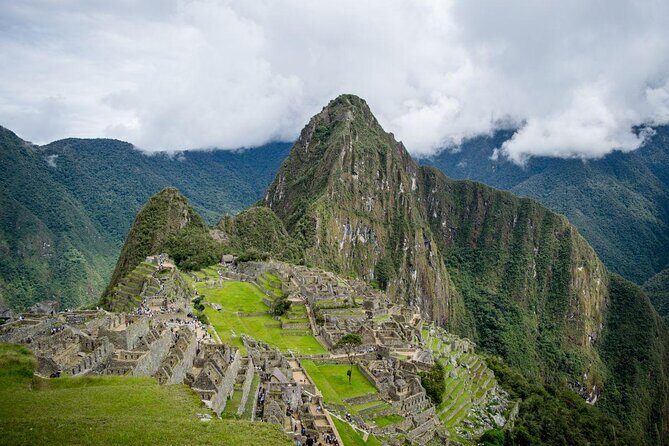
- Built-in cultural stops: Llactapata, Pacaymayo area, Runkurakay, Sayacmarca, Wiñay Huayna, plus Machu Picchu at the end.
- Inti Punku, Gate of the Sun: you enter Machu Picchu from an alternative approach, with a view sweep first.
- Chef-led meals (including vegetarian): breakfasts, lunches, and dinners are part of the package for the trek days.
4 Days From Km 82 to Machu Picchu: What You’re Really Paying For
This trek is priced at $880 per person, and that number makes more sense when you look at what’s included. You’re not just buying a map and a guide. You’re buying transfers from Cusco to Km 82, porters who carry camping equipment, tent setup with mattresses, and a cook team that handles meals from breakfast through dinner during the trek days.
That matters because Inca Trail treks have a cost you don’t see on paper: time, logistics, and coordination. Your day starts early, but the hard parts are organized: where you begin, where you camp, when meals arrive, and how you move between trekking sections and Machu Picchu. Even the guided tour time at the end is built in, so you don’t spend your best day guessing where to go first.
The vibe is also clearly family-friendly and beginner-friendly, at least in the sense that it’s designed for different experience levels. You’ll still be hiking, still be climbing, and still be dealing with altitude. But this isn’t marketed as a scramble-and-suffer-only trek.
You can also read our reviews of more hiking tours in Cusco



Day 1: Hotel Pickup, Km 82, Llactapata Views, and First Camp at Huayllabamba
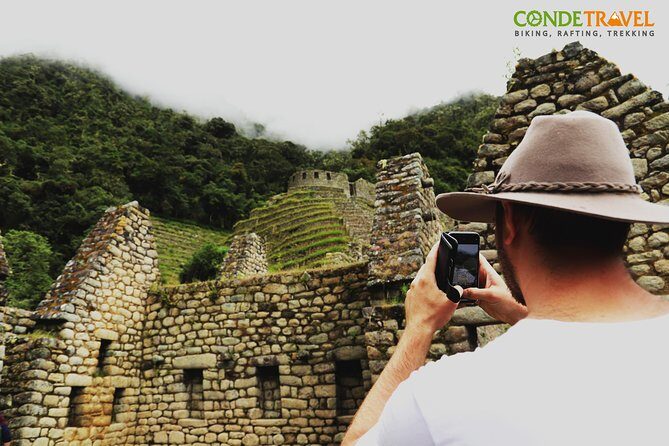
Day 1 starts early. You’ll be picked up around 5:00am from your hotel and driven to Km 82, the beginning point. From there, you’ll begin the trek with an uphill push of about 3 hours (around 10 km).
Your first major reward is Llactapata, an archaeological site where you’ll have lunch and take in the area. It’s not just a “look at some stones” stop. This early day sets the tone: you’re already at a height where the terrain feels dramatic, and the ruins help you connect the trail to the Inca landscape you’ll keep seeing for days.
After lunch, the plan is another short trek—about 30 minutes (around 1 km)—to Huayllabamba, described as an isolated Andean community. That part matters for two reasons. One, it gives you a real sense of where you are in the Andes, not just a staged hiking route. Two, it transitions you from sightseeing to the rhythms of camp life.
By evening, you’re ready for camping and dinner around 7:00pm. Vegetarian options are available, which is a real practical detail when you’re trekking for multiple days. The included first dinner also helps you avoid the “we hiked all day and now we need to figure out food” problem.
Day 1 pace reality check
This is your warm-up day, but it’s still a steady climb. Wear shoes you trust and keep your daypack light. Early mornings are part of the deal, so don’t treat Day 1 like a lazy start.
Day 2 Over Warmiwañusca (4200m): Puna to High Jungle and Camp in Pacaymayo Valley
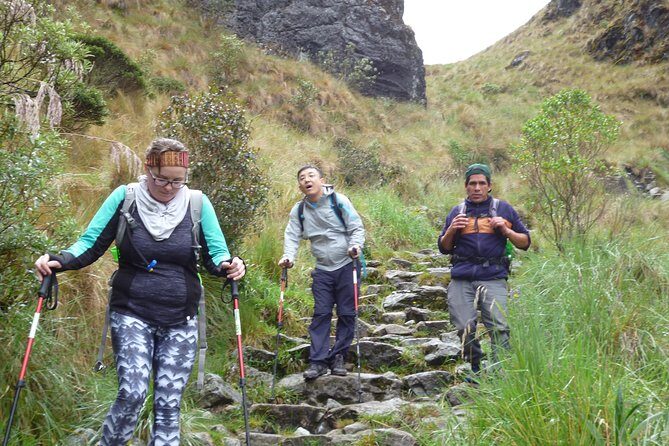
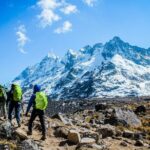
Day 2 is where the trek earns its name. After breakfast, you continue along the trail with another about 4-hour ascent (roughly 10 km) to the peak of Warmiwañusca, at 4200 meters.
At the top, the tour plan emphasizes ecosystems changing along the route—from dry puna (mountain grasslands) to what’s described as high jungle. You may not map it like a science textbook, but you’ll feel the difference in the air, the vegetation, and the way the trail moves through zones.
After lunch (around 2:00pm), the descent begins: about 3 hours (around 9 km) down into the Pacaymayo Valley. This is a day of engineering details: wooden bridges, tunnels, and lots of rocky steps.
Then you camp near the river and have dinner. That river setting is more than pretty. It’s often where you can finally slow down mentally, stretch out sore legs, and recover for the next day’s archaeological sequence.
What to watch for on Day 2
Even if you’re fit, Warmiwañusca can make you feel slower than normal. Take your time on the climb. The tour guide will pace the group, but you’ll still want to listen to your body on that higher altitude segment.



Day 3: Runkurakay and Sayacmarca Before Wiñay Huayna or Puyapatamarka
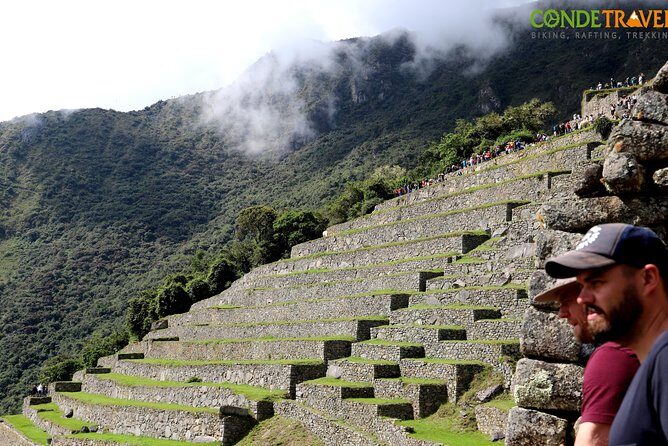
Day 3 mixes hiking and history in a way that feels like it’s building toward the final reveal.
You start with breakfast, then the route descends about 45 minutes to explore Runkurakay and the Inca citadel Sayacmarca. That shorter morning descent gives you a different kind of challenge than a long uphill day. Instead of a grind upward, you’re moving through a structured, ruin-filled segment where your eyes have a job.
Next comes Puya Patamarka, where you’ll have lunch, followed by about 2 hours of walking to reach Wiñay Huayna. This is one of the famous “late-trek” stops that sets up the emotional lead-in to Machu Picchu.
Camp timing here depends on booking timing. If you booked at least 6 months prior, you have a chance to set up camp at Wiñay Huayna. If not, you’ll camp at Puyapatamarka instead. Either way, dinner is served around 7:00pm, but the setting may be different.
Why this Wiñay Huayna detail matters
Wiñay Huayna isn’t just a waypoint. It’s part of the mental momentum toward Machu Picchu. If you do get that camp spot, the days start to feel like they’re clicking into place: you’re in the final zone of the original trail rhythm.
Day 4: Inti Punku (Gate of the Sun) Into Machu Picchu, Then Down to Aguas Calientes and Cusco
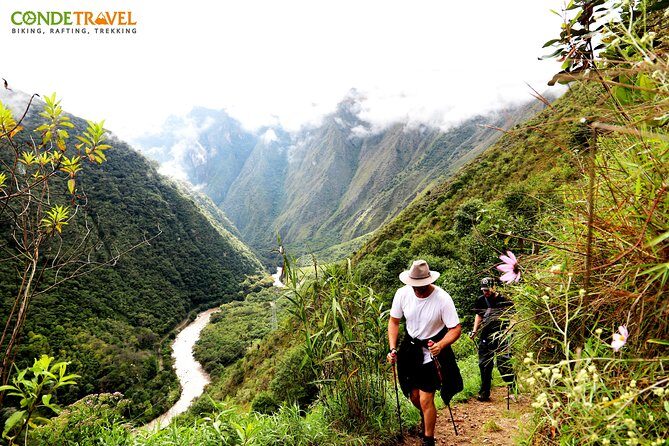
Day 4 is the payoff day, and it starts like a trek day again: you’ll get ready around 5:00am, have breakfast, and then hike about 1 hour ascending through the high jungle to Inti Punku, described as the Gate of the Sun.
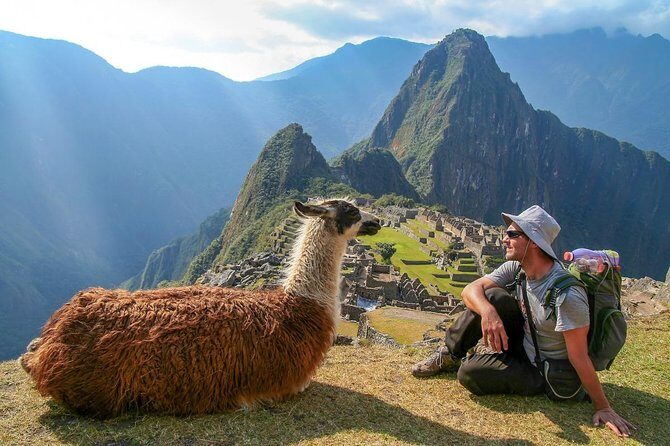
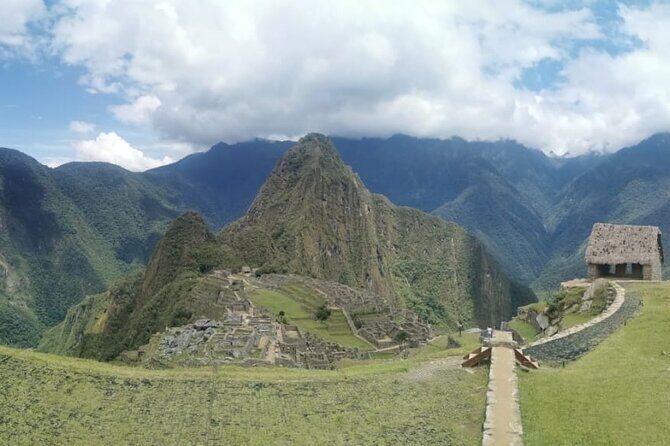
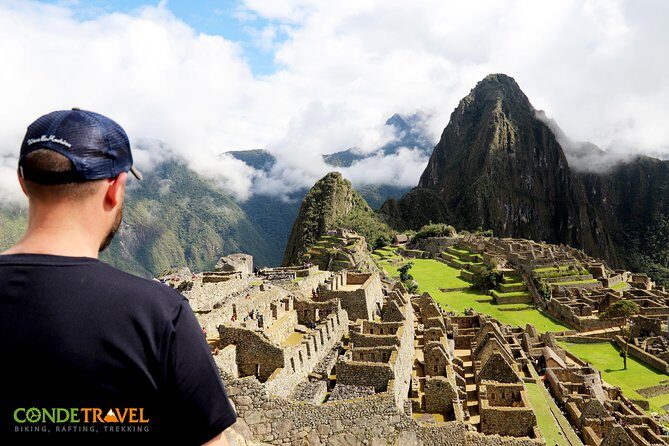
This matters because Inti Punku is an alternative access route. You don’t just appear at Machu Picchu from the front. You reach a viewpoint first, and then you enter with those big visual moments. The tour plan explicitly calls out impressive views of the archaeological marvel from Inti Punku.
After arrival, you get a 2-hour guided tour visiting the main sites, followed by some free time to explore. Then, late in the afternoon, you walk down to Aguas Calientes. You’ll gather at the train station about 30 minutes before departure to Ollantaytambo, where a private bus brings you back to Cusco. Your day ends in Plaza de Armas.
Day 4 reality check
This is where you’ll want to keep your energy steady. You’ll be walking again after you’ve already walked for days. The free time at Machu Picchu helps, but the guided portion gives you a clear structure, so you’re not wandering with tired legs and a half-understood map.
Porters, Chef, and a Guide Who Can Read the Trail
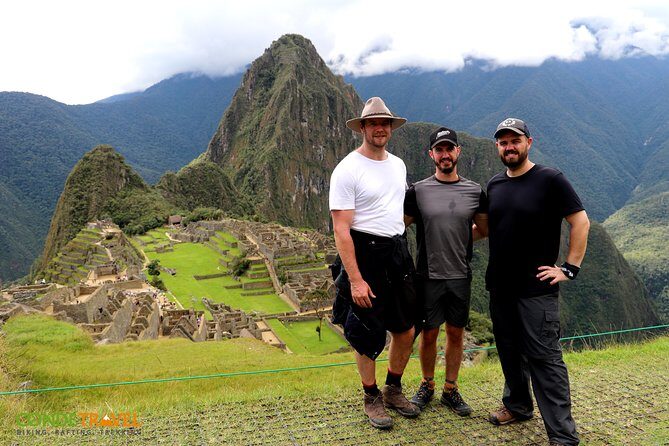
One reason this trek works well for many people is that it includes the team that makes long hikes livable.
You have a bilingual professional guide specialized in the Inca Trail, plus a private cook and assistants. You’ll also have porters—specifically to carry your camping equipment. That’s a huge difference from trekking where you carry everything yourself.
The setup details also help: chairs and dining tables, tents for 2 persons plus mattresses, and a roomy dining tent. You’re not eating dinner sitting on a rock in wind-whipped discomfort. First aid kit is also included.
You’ll see the practical value of this in the experience stories shared online. Many guests specifically call out a guide named Jose for being energetic, patient with slower hikers, and good at bringing the ruins to life. Others highlight the chef team, including someone named Brouwlio, praised for some of the best Peruvian food people expect on a trek. There are also mentions of birthday cake coordination when celebrations fall near the end of the hike, which tells you the team is paying attention beyond just getting you to the next camp.
Small groups can feel easier on a long trail
The tour caps at 15 travelers, and some groups report even smaller numbers than that. That usually means less time waiting and more chances to set your own rhythm—especially on the step-heavy parts where you might want to slow down without feeling embarrassed.
Altitude, Stairs, and Fitness: How Hard Is Warmiwañusca Really?
The tour recommends moderate physical fitness. That’s a fair label, because you’re doing a multi-day hike with altitude and a climb to Warmiwañusca at 4200m.
What that feels like day to day:
- Day 1: uphill start, steady pace needed.
- Day 2: bigger climb and a high peak, then a long descent with steps.
- Day 3: ruins stops and walking blocks that keep you moving.
- Day 4: early hike to Inti Punku, then Machu Picchu walking.
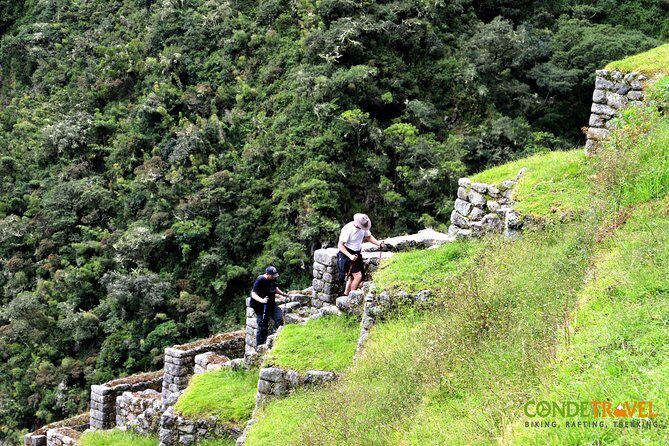
One guest even describes getting motivated through around 2,000 stairs, which tells you the trail includes plenty of step work. Even if the number varies by exact pace and conditions, you should assume you’ll be climbing and descending a lot of rocky steps.
This trek is described as ideal for all ages and skill levels and a good choice for families. That’s believable if you go in with the right attitude: bring patience, take breaks when offered, and don’t try to “win” the trail.
What I tell first-timers
Bring layers you can use all day. The tour suggests a sweater and thick jacket, long and short pants, long sleeves, UV protection, and a rain coat. At altitude, wind and sudden weather happen. Also bring a small flashlight or lantern—camp and early starts get dark fast.
Price and Logistics: What’s Included at $880, and What Costs Extra
At $880, you’re paying for a full service package. The included items cover the big-ticket needs on trek day:
- Transfers: Cusco to Km 82 and Ollantaytambo to Cusco
- Porters for camping equipment
- Camping support: tents for 2 with mattresses, dining tent setup, chairs, tables
- Private cook and assistants
- Bilingual Inca Trail guide
- First aid kit
- Meals: breakfast (3), lunch (3), dinner (3)
- The guided structure on Machu Picchu (2 hours)
You’re not paying for personal items like toiletries or extra gear. Also, sleeping bags are not included, so if you don’t already have one (or know how you’ll keep warm), budget for that decision.
Two other cost notes matter:
- The tour does not include first breakfast, lunch, and dinner on the last day. Day 4 meals aren’t included as written, so plan accordingly.
- Huayna Picchu entrance is not included, and only becomes available with early booking—listed as + $60 if booked at least one month upfront.
Value check
If you’ve priced private trekking logistics before, the included meals, tents, and porters are the real value drivers. Paying for them piecemeal usually adds up fast.
Potential Headaches: When Expectations and Policies Don’t Match
Most of the trip stories focus on guide skill, food, and smooth running. Still, one clear caution shows up from a negative account: when plans change for one person in a group, you need to be strict about communication.
That same negative story complains about mismatched expectations around tent assignments and train seating when one party member couldn’t go, plus an argument about payment timing. I can’t verify the specifics from the outside, but the lesson is simple.
Before you pay, I’d do three things:
- Confirm how tents are assigned for your exact group size.
- Confirm how train seats are handled for your group configuration.
- If anyone might cancel, ask what happens to arrangements that affect comfort, not just paperwork.
A trek is too expensive to run on hope.
Who Should Book This Inca Trail Trek?
This trek is a strong fit if you want:
- A family-friendly Inca Trail experience with a guided history rhythm
- A plan that covers camp comfort: tents, dining space, and meal service
- A group size that stays under 15, with many reports of smaller groups
- The classic Inca Trail route experience with a final approach via Inti Punku
It may be less ideal if:
- You’re very sensitive to early mornings or altitude climbs.
- You don’t want to carry your own daypack and manage step-heavy trekking.
- You’d rather travel with very flexible independence than a structured schedule.
Should You Book the 4-Day Inca Trail to Machu Picchu?
If you want Machu Picchu to feel earned, not rushed, this is a smart choice. The route is built around major highlights across four days—Llactapata, the big Warmiwañusca climb, Runkurakay/Sayacmarca, Wiñay Huayna, and then Machu Picchu through Inti Punku with a 2-hour guided visit.
My advice: book it if you’re ready for a real trekking schedule, you can handle altitude with a steady pace, and you’ll follow the packing list. Skip it if you’re chasing comfort first and adventure second, or if your group is likely to change at the last minute without clear answers.
If you book, choose a trekking mindset: pack light, move slowly uphill, and let the team handle the camp logistics. That’s when the value really shows.
FAQ
What time do you start in Cusco?
The start time is listed as 4:00am, and hotel pickup is described as around 5:00am before heading toward Km 82.
Where does the trek begin?
The trek begins at Km 82 near Cusco, with transfers provided from Cusco to Km 82.
How long is the trek?
It’s a 4-day experience, with the trek starting on day one at Km 82 and ending on day four at Machu Picchu and then back in Cusco.
Is Machu Picchu guided?
Yes. On the final day, there’s a 2-hour guided tour of the main sites after you reach Machu Picchu.
Are meals included?
Yes. The itinerary includes 3 breakfasts, 3 lunches, and 3 dinners during the trek days. The tour notes that meals on the last day are not included (first breakfast, lunch, and dinner).
Do you camp with tents and mattresses?
Yes. The included camping setup includes tents for 2 persons plus mattresses, along with a dining tent and dining chairs/tables.
Do porters carry your gear?
Porters are provided to carry your camping equipment. You’ll still carry a lightweight daypack.
Is Huayna Picchu included?
No. Entrance to Huayna Picchu is not included. It’s listed as + $60 if booked at least one month upfront.
What physical fitness level do you need?
The tour says travelers should have a moderate physical fitness level. You’ll hike multiple days, including a climb to Warmiwañusca at 4200m.
What should I pack?
The tour suggests: a lightweight backpack, sweater and thick jacket, long and short pants, long sleeve shirts, sunscreen (UV factor minimum 40), hat or cap, rain coat, walking or tennis shoes, water bottle, insect repellent, toilet paper, lantern, sunglasses, camera charger, and some cash (soles).