REVIEW · CUSCO
Visit to the Sacred Valley with a Guide in One Day
Book on Viator →Operated by Esteban Adventure Agencia de Operadora de Turismo. · Bookable on Viator
One day, the Sacred Valley hits hard. This Cusco-based tour strings together the Inca-era sights you came for, plus a real local market moment, all with the convenience of being driven between stops. I especially like how transport is handled end to end, so you spend your time looking at ruins and people, not figuring out buses.
I also love the simple value move: you get lunch in Urubamba as part of the day, which turns a long outing into something you can actually enjoy instead of survive. The guide support (bilingual English/Spanish) helps you connect the dots fast, even if it’s your first time in the Andes.
The one drawback to consider is the pace. This is a 10-hour day with multiple stops, and some sections involve walking on uneven ground—add early timing and you’ll want comfortable shoes and a moderate fitness level.
In This Review
- Key things that make this day trip work
- Price and logistics: what $35 really covers
- Starting early in Cusco: pickup, timing, and how to avoid stress
- Pisac: market energy plus an Inca footprint
- Urubamba and the foot of Chicon: the midday rhythm
- Ollantaytambo: where the day turns from market to power center
- Chinchero at the end: mestizo and colonial style in one last stop
- What to bring: the Andes basics that actually matter
- The guide experience: why Daniel-style service shows up in the details
- Who this tour suits best
- Should you book this Sacred Valley day trip?
- FAQ
- What’s the tour duration?
- What does the price include?
- Is lunch included?
- Are entrance tickets included?
- What’s the group size?
- Where does the tour start and end?
- What should I bring?
Key things that make this day trip work
- Hotel pickup plus tourist bus: you lose less time to logistics.
- Pisac traditional market: you get local life, not just stones.
- Ollantaytambo ruins: an important Inca administrative and religious complex.
- Urubamba buffet lunch included: a real midday break in the heart of the Valley.
- Chinchero at the end: mestizo and colonial village feel before you head back.
Price and logistics: what $35 really covers
At $35 per person for a roughly 10-hour day, this Sacred Valley trip is all about efficiency and not getting stuck in transport trouble. You’re paying for a package: pickup from your hotel, a tourist bus to move you between sites, a bilingual guide (English/Spanish), plus a lunch buffet in Urubamba.
The big catch is that site entry tickets are not included. Plan on paying tourist tickets separately for the attractions you visit. That’s not unusual in Peru, but it matters for your budget. If you want an accurate total cost, think of this tour price as the “guided transportation + lunch + interpretation” part of the trip, and then add whatever tickets are required on the day.
One more practical point: this tour keeps group size limited, with a maximum of 10 travelers. That doesn’t mean you’ll have a private chauffeur, but it usually helps with pacing and getting answers from the guide.
You can also read our reviews of more guided tours in Cusco


Starting early in Cusco: pickup, timing, and how to avoid stress
Cusco day trips can feel like a sprint, and this one starts early. Your confirmation should clarify the exact pickup window, but the day is timed with an early meeting in the morning (the listed start time is 6:30 am) and pickup from hotels described as starting around 8:30–8:45 am. Those two details can look conflicting, so treat your confirmation as the source of truth and double-check your time the day before.
What you can count on: you’ll be picked up, transported to the bus point, and the guide will meet you there to begin the route. The day runs until about 7:00 pm, with drop-off back near Plaza San Francisco, about two blocks from Plaza de Armas. That’s convenient because you’re not forced to find a taxi in the evening with tired legs and a head full of ruins.
Because the itinerary includes several stops, you’ll want to show up ready. Bring a small day pack, water, and layers. Cusco mornings can feel sharp, and the Valley can feel warmer—but you’re moving between elevations and open air.
Pisac: market energy plus an Inca footprint
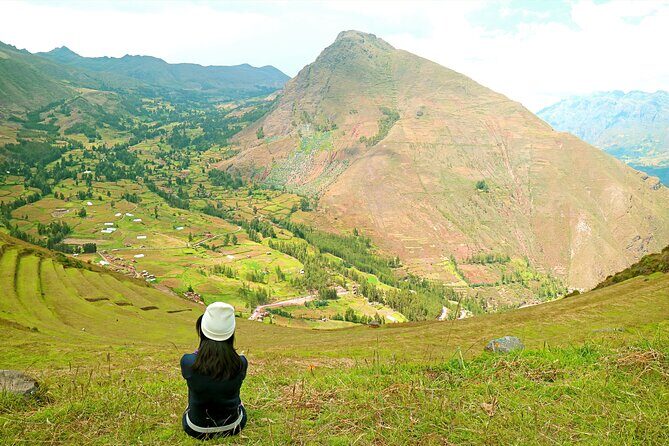
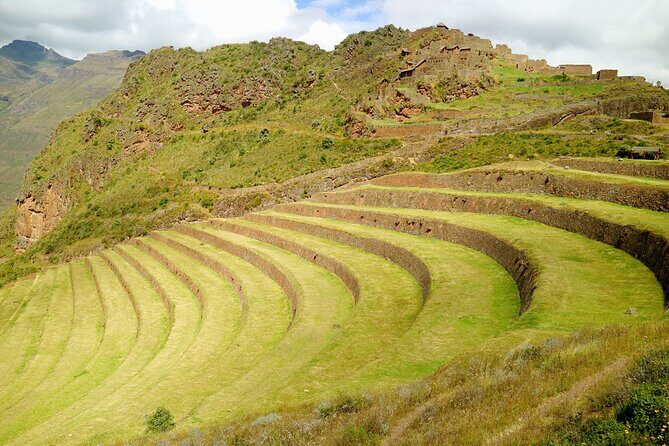
Pisac is often the stop people remember most, not only for the archaeological connection but for the market. In this plan, you start with Pisac and its traditional market, then continue onward.
Here’s what I like about structuring Pisac this way: it’s not just a quick drive-by. You get time to look around, notice how people shop and trade, and get a feel for how this region works day to day. Even if you don’t plan to buy anything, markets teach you more than a museum label ever will—how vendors price goods, what locals consider useful, and what crafts are still made with care.
Photo-wise, Pisac is a win because you’ll see more than just stone walls. You’ll also catch the human side of the Valley: colorful textiles, everyday conversations, and the small details that make the place feel lived-in.
The possible downside is your timing and attention. Market stops can turn into shopping marathons if you let them. If you’re aiming for photos and understanding, set a small goal—like buying water, scanning textiles, and catching a couple of angles—then keep moving. The day is long, and Ollantaytambo deserves your full focus.
Urubamba and the foot of Chicon: the midday rhythm
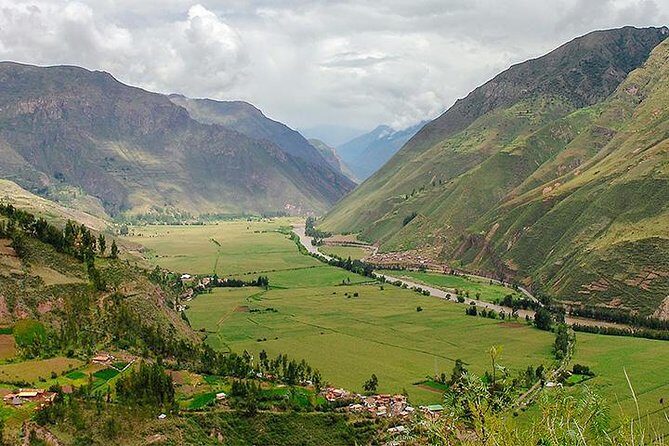
After Pisac, you head toward Urubamba and the Urubamba Valley commercial center, including a stop that highlights the area’s pleasant climate at the foot of Chicón. This portion matters because it resets your day. You go from early-market energy into a calmer, more open valley tempo.
Expect that the day is organized with time windows at each main stop. The plan indicates about 1 hour and 45 minutes per place. That’s enough to see the highlights, ask questions, and regroup, but it’s not a “wander all day” style of schedule. If you like slow travel, you’ll still have time to pause—but you’ll want to do it with intention.
Then comes the best value moment: lunch in Urubamba. This tour includes a regional buffet lunch, so you’re not hunting for food or paying restaurant prices on top of the tour. That’s one of the practical reasons this tour feels like a deal. A guided day with a provided meal keeps costs down and energy up.
My advice: treat the buffet like a reset button. Try to eat earlier in the lunch window so you don’t feel rushed later. Also, keep an eye on your water. Even if the day feels sunny, travel days can sneak up on you.
Ollantaytambo: where the day turns from market to power center
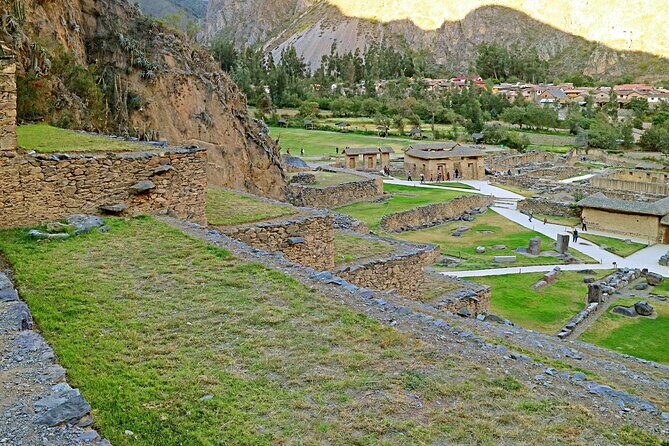
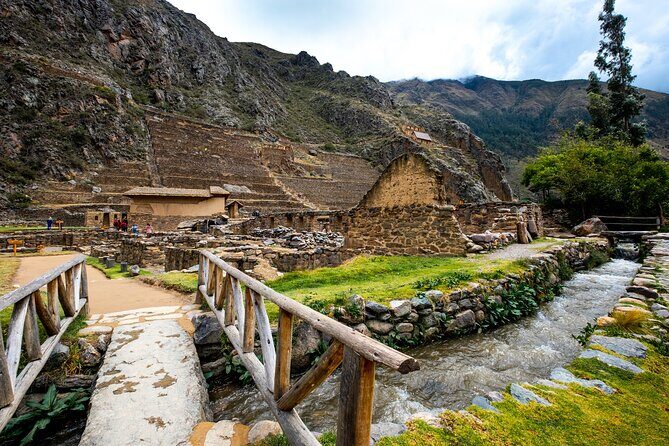
Ollantaytambo is the big historical anchor of the day, and the itinerary gives it the weight it deserves. You’ll visit an architectural complex that once functioned as a massive Inca center—agricultural, administrative, social, religious, and military.
The reason this stop lands so well on a one-day schedule is that Ollantaytambo isn’t just “ruins.” It’s a place where you can picture the whole system: farming, governance, ritual, and defense. The more you listen to the guide as you walk, the more the stones start explaining themselves.
Be prepared for walking. Even with a guide, you’ll be moving between viewpoints and sections of the complex. That’s where comfortable shoes matter more than people expect. If your feet are unhappy, the history won’t matter as much.
Also, Ollantaytambo is typically a place where you’ll notice alignment and design choices. The guide’s bilingual explanation helps you understand what you’re looking at—especially useful if you’re not sure what term means what (administrative versus religious, terraces versus storage zones, and so on).
If you want a smart photo strategy: take wide shots first (to understand the layout), then come back for close details after. That prevents the classic mistake of collecting random angles that don’t add up.
You can also read our reviews of more tours and experiences in Cusco


Chinchero at the end: mestizo and colonial style in one last stop
After Ollantaytambo, the route ends with a transfer to Chinchero, described as the last point of the itinerary. Chinchero stands out because it’s not only about pre-Columbian Inca space. It’s also an example of mestizo and colonial style, giving you a sense of how this region evolved after the Inca period.
This stop is valuable on a practical level: it changes the tone of the day. By the time you get here, you’ve already built your understanding through market and ruins, so Chinchero feels like a natural closing chapter—how local culture and architecture blend over time.
Time-wise, you’ll still have the same general rhythm: you’re not being sent on a long separate excursion. You’re getting a final guided look, then heading back.
What to bring: the Andes basics that actually matter
You’ll get more out of the day if you pack for changing weather and comfort. The tour guidance includes the usual Peru must-haves, and they’re worth taking seriously:
- Comfortable shoes or runners for uneven paths.
- A camera (and patience—some moments are quick).
- A rain jacket or poncho, just in case.
- A fleece or jacket and basic toiletries for the chill.
- A hat, plus sunscreen and insect repellent.
- A small day pack with water.
One extra tip: bring a little extra money for drinks, snacks, and souvenirs. Lunch is included, but not everything you’ll want along the way is. Also, if you’re a student, the instructions mention using an ISIC student card when applicable.
And keep in mind the fitness note: this isn’t described as an athletic climb, but you should have moderate physical fitness for a full-day schedule with walking.
The guide experience: why Daniel-style service shows up in the details
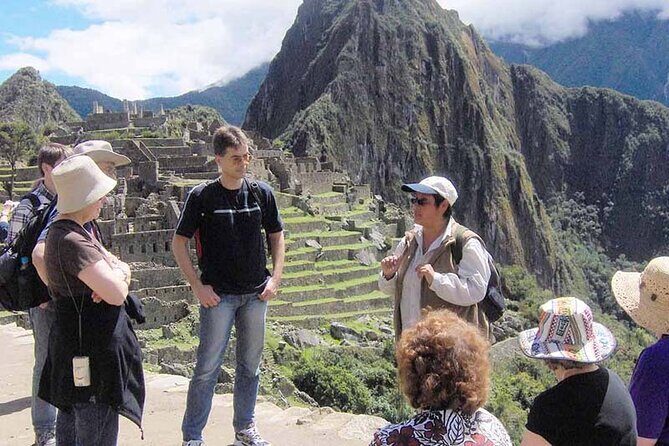
The tour is designed around a guide who helps you connect the stops. The tour includes a bilingual guide (English/Spanish), which is huge in a place like the Sacred Valley where names and meanings matter.
In the feedback around this operator, a guide named Daniel gets repeated praise for being attentive and for helping people organize other Cusco-area tours during their stay. That’s more than a nice personality trait. It usually means you’re less likely to feel lost, less likely to waste time figuring out what to do next, and more likely to get practical recommendations.
Even if you only care about Sacred Valley, I think this kind of service matters. The difference between a good and a great day trip is often what the guide notices: where to stand for the best view, how to pace your walk, and what to pay attention to in each site.
Who this tour suits best
This is a good fit if you want:
- A one-day sampler of the Sacred Valley without the headache of arranging transport yourself.
- A mix of Inca ruins + local market culture.
- A guided day where you still get free time to look around (especially at Pisac).
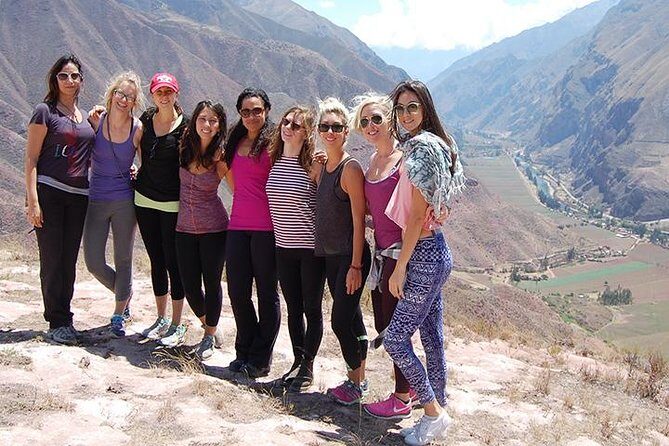
It’s also a solid option if you’re traveling with family or in a small group and want an organized flow. If you’re the type who hates early mornings, you may feel the long day. And if you want deep, slow exploration at a single site, this schedule will feel brisk.
Should you book this Sacred Valley day trip?
If you want the most efficient Sacred Valley experience from Cusco, I think this tour is worth a booking—especially at $35 with guide, bus, and Urubamba lunch included. It saves you money versus DIY transport, and the guide helps you understand what you’re seeing instead of just scanning photos.
I would book it if your priorities are: Pisac market, Ollantaytambo ruins, and a final cultural stop in Chinchero, with minimal logistics stress. I’d also recommend it if you appreciate a small group size (up to 10) and a clear return time around 7:00 pm.
The only strong reason to skip would be if you absolutely hate early departures or you’re not comfortable with a full day of walking and moving between sites. If that’s you, consider a slower-paced itinerary instead.
FAQ
What’s the tour duration?
The tour runs about 10 hours.
What does the price include?
The price includes hotel pickup, a tourist bus, a bilingual guide (English/Spanish), and lunch in Urubamba.
Is lunch included?
Yes. You’ll have a regional buffet lunch in Urubamba included in the tour.
Are entrance tickets included?
No. Tourist tickets (income) are not included and you’ll need to pay them separately.
What’s the group size?
The tour has a maximum of 10 travelers.
Where does the tour start and end?
It starts with hotel pickup in Cusco in the morning and ends around 7:00 pm with drop-off at Plaza San Francisco, about two blocks from Plaza de Armas.
What should I bring?
Bring comfortable shoes, a small day pack with water, a hat, sunscreen, insect repellent, a camera, and rain protection (rain jacket or poncho). A fleece or jacket also helps.